

Get an insider's look at the strategic and technical aspects of F1 pit stops and how they impact racing performance
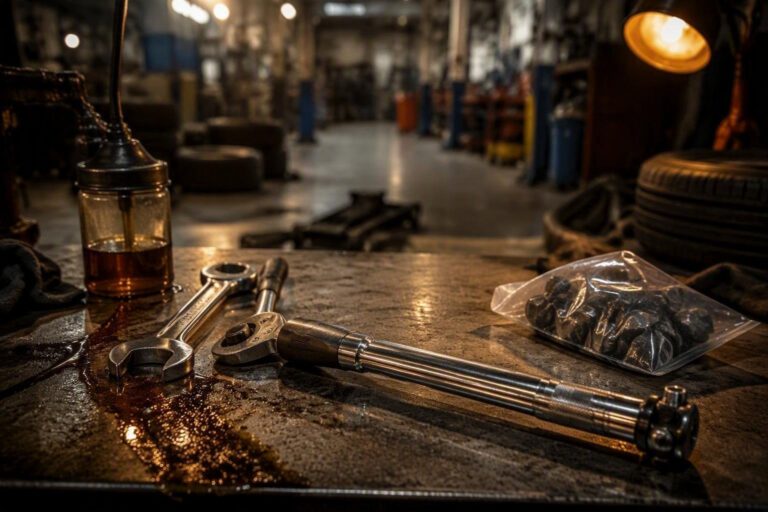
Formula 1 (F1) pit stops are a crucial aspect of racing, requiring precise choreography and specialized hardware. A well-executed pit stop can make all the difference in gaining a competitive edge, as it allows teams to shave tenths off lap times.
In this article, we will explore the intricacies of F1 pit stop science, including the rules and strategies that govern this high-pressure aspect of the sport.
The pit crew plays a vital role in the success of a pit stop, with each member having a specific responsibility.
The tyre changers for example, must be able to remove and replace the tyres quickly and efficiently, while the fueler must ensure that the car is refueled to the optimal level. The pit stop strategy is also critical, as teams must carefully plan when to pit and how many tyres to change in order to minimize time lost.
Pit stop rules and regulations
The F1 governing body has established a set of rules and regulations to ensure fair play and safety during pit stops. These rules include restrictions on the number of people allowed in the pit lane, the types of equipment that can be used, and the procedures for tyre changes and refueling. Teams must also adhere to strict safety protocols such as the use of fire-resistant clothing and protective gear.
Pit stop choreography
A successful pit stop requires meticulous planning and execution. The pit crew must work together seamlessly, with each member performing their specific task in a precise and coordinated manner. The tyre changers must be able to remove the old tyres and replace them with new ones in a matter of seconds, while the fueler must ensure that the car is refueled to the optimal level. The pit stop strategy is also critical, as teams must carefully plan when to pit and how many tyres to change in order to minimize time lost.
Hardware and equipment
The hardware and equipment used in F1 pit stops are highly specialized and designed to optimize performance. The tyre changers for example, use pneumatic guns to remove and replace the tyres quickly and efficiently. The fueler uses a high-pressure fuel pump to refuel the car rapidly. The pit crew also uses a range of other specialized tools and equipment, such as impact wrenches and tyre trolleys.
By mastering these elements, teams can gain a competitive edge and shave precious seconds off their lap times.
