
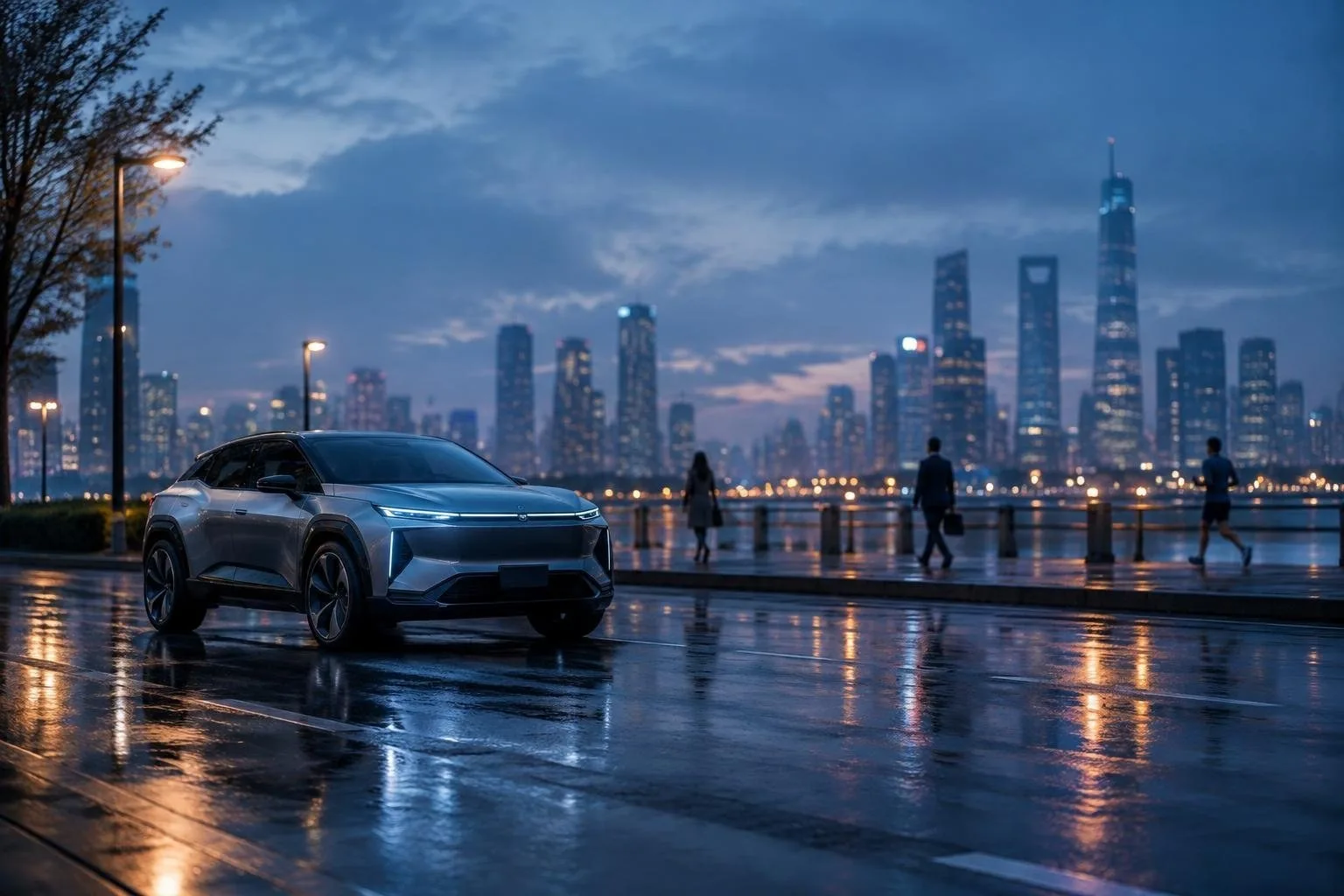
Car design is changing on several fronts at once. Powertrains are different from those of the past, the heat they produce comes from new sources, and cars have to be cooled in new ways. Aerodynamics is part of that shift, and it matters even more for large, tall vehicles such as SUVs, where body shapes are often optimized for low drag at the cost of stability at speed.
Movable aero parts and the problem of timing
To correct the handling problems that come with these shapes at higher speeds, cars often carry fixed or movable aerodynamic elements. Movable parts usually push the body down onto the road, but they also increase aerodynamic drag. For that reason they should be deployed only for short periods, when they improve performance or add safety.
The main limitation is delay. Movable parts take time to generate aerodynamic forces, so reactions to changing road conditions tend to lag behind them. Researchers working on the subject point out that information about road layout, the traffic of other vehicles, weather and wind is becoming available well in advance, as electric and autonomous cars develop alongside 5G networks. If that data reaches the car early enough, movable elements can be activated sooner and used fully when needed. Work on this topic includes simulating vehicles with variable geometry and variable aerodynamic properties, and linking data from onboard sensors to the operation of those elements.
Aerodynamics is also changing in motion. It has been observed that a car’s aerodynamics shift when it corners, and the field is moving beyond the goal of simply cutting drag on large, fashionable shapes.
Toyota’s bZ Compact SUV Concept
Toyota’s bZ Compact SUV Concept, shown at the 2022 Los Angeles Auto Show, shows how a manufacturer is combining these ideas with electrification. The concept is a full battery-electric vehicle with zero emissions, built with low-impact, sustainable materials. Its wheels are pushed to the corners, its overhangs are short and its sweepback angles are pronounced. The cabin is narrowed to give the car an agile look and low drag.
Inside, the design team used plant-based and recycled materials in the seating. An in-car personal assistant responds to requests from front and rear passengers through audio and lighting cues that move around the cabin. Toyota presented the concept as part of its Beyond Zero message, linking it to a goal of carbon neutrality by 2050 through a range of electrified products. More information on the concept was scheduled for release in December 2022.
What a buyer should weigh
For a buyer, the trade-offs sit in the same places that engineers are working on. A larger body can carry more of the weight and heat that new powertrains generate, but its shape has to be balanced for drag and stability. Movable aero elements can add grip when they are needed, yet their effect depends on how quickly the car responds. Electric SUVs also bring the weight distribution questions that come with battery packs. Checking how a model handles at speed, how its aerodynamic features behave in changing conditions, and how its footprint fits the streets you drive every day gives a clearer picture than the shape alone.


