

Zimbabwe Cabinet Approves Plan to Extend Presidential Terms: A Critical Examination of Governance and Democracy Zimbabwe is at a crucial crossroads as the cabinet has officially approved a controversial plan to extend presidential terms. This decision has sparked significant debate regarding the implications for governance and the state of democracy in the nation. As discussions unfold, it is essential to analyze how this move may affect political stability, citizen rights, and the overall...
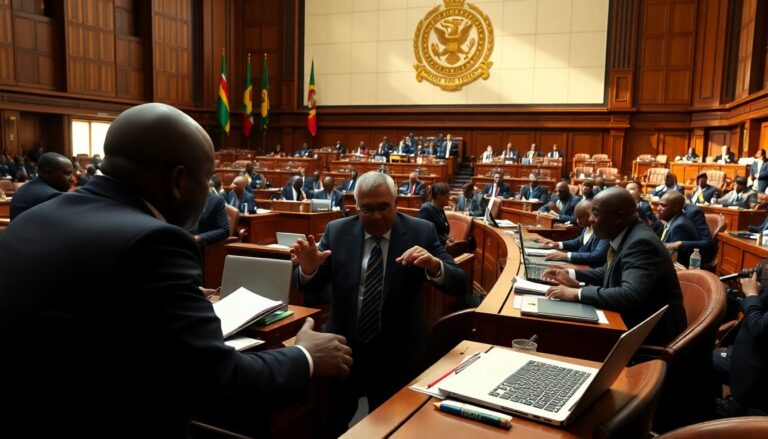
The political landscape in Zimbabwe is experiencing a significant transformation as the cabinet has endorsed a proposal to amend the constitution. This amendment could enable President Emmerson Mnangagwa to remain in office until 2030. If enacted, the proposal would extend the current five-year presidential term to seven years.
At 83 years old, President Mnangagwa is poised to complete his second term in 2028. However, this new legislative initiative seeks not only to prolong his tenure but also to alter the presidential election process. The proposal suggests transitioning from a direct popular vote to a parliamentary election system.
These potential changes have ignited considerable reactions from both supporters and detractors.
Proposed changes and their implications
Among the key amendments being discussed in cabinet sessions is a provision that would increase the number of senators appointed by the president, raising the total from 80 to 90 seats in the Senate.
Justice Minister Ziyambi Ziyambi emphasized during a press conference that these amendments are intended to foster political stability and ensure that vital development programs can be fully realized.
Political reactions and opposition
Despite the government’s claims of enhancing stability, the move has drawn sharp criticism from the opposition. Jameson Timba, a prominent leader in the fractured opposition, warned that the cabinet’s decision could lead to further political instability. The Defend the Constitution Platform, a coalition of opposition groups, is already preparing to engage legal counsel and international partners to contest these proposed changes.
Timba’s sentiments reflect a broader concern that altering the constitution to benefit the ruling party could undermine democratic processes. Opposition leaders are adamant that such significant changes should be accompanied by a national referendum. This view is reinforced by David Coltart, a prominent political figure, who has stated that any amendment affecting the tenure of an incumbent president should be subjected to a public vote.
The role of ZANU-PF and historical context
The ZANU-PF party has maintained control over Zimbabwe since the country’s independence from British rule in 1980. With a strong majority in parliament, ZANU-PF can navigate amendments with relative ease. This raises concerns about the integrity of the electoral process. Observers highlight that the party’s dominance over both houses of parliament could lead to changes being made without adequate public input.
Calls for referendum and legal challenges
In response to the proposed amendments, analysts emphasize the necessity of a referendum for any constitutional changes affecting presidential tenure. The constitutional court is set to hear a case challenging these amendments. Plaintiffs argue that the modifications violate constitutional protections regarding public participation. They assert that any changes to sections governing presidential terms should be presented to the electorate.
The government contends that its resolution aligns with Section 328(5) of the constitution, which they interpret as permitting amendments without requiring a referendum. This interpretation will be pivotal as the court evaluates the legitimacy of the proposed changes.
The current political climate
Political landscape in Zimbabwe
Since Emmerson Mnangagwa took office after the removal of long-time leader Robert Mugabe in 2017, his government has been criticized for human rights abuses and widespread corruption. Although the economy has shown signs of recovery, many Zimbabweans still face significant challenges. Police crackdowns on protests against the extension of Mnangagwa’s rule have intensified public dissent.
Amid these difficulties, the ruling party’s agenda for 2030 is gaining momentum, as evidenced by the recent cabinet endorsement that may signify a shift in Zimbabwe’s political dynamics. As the constitutional court prepares to review the challenge against amendments, opposition groups are mobilizing to contest these changes. The outcomes will have profound implications for Zimbabwe’s governance and the integrity of its democracy.
