

Tesco is testing new signage to protect parent and child spaces, prompting praise from frustrated parents and questions about enforcement and exceptions for pregnant shoppers
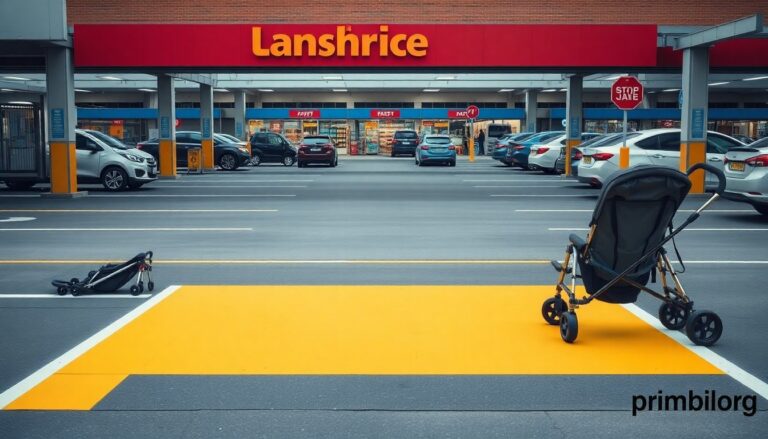
Tesco has begun a trial at several supermarket car parks, erecting bold red signs at entrances that tell drivers not to use parent-and-child or disabled bays unless they genuinely need them. The notices explain the spaces are reserved for customers with “little shoppers” and warn that misuse “may result in a PARKING CHARGE.” Many parents and carers have praised the move, though questions remain about how any penalties would actually be enforced.
What the trial looks like on the ground
– Large, eye-catching red signage at selected store entrances identifying which bays are reserved.
– Notices warning that misuse could lead to parking charges; some stores are reportedly monitoring bays with cameras or by recording licence plates.
– The stated intention is straightforward: stop casual or selfish use of wider bays so they’re available for people who need the extra room.
Why many parents and carers welcome it
For someone wrestling with a bulky infant carrier or trying to manoeuvre a pram, an empty wider bay can make all the difference.
Parents say the extra space prevents doors from banging into neighbouring cars, speeds up getting children safely into pushchairs, and turns a potentially stressful errand into something manageable. Clips and posts from trial stores on social media show grateful shoppers urging other chains to follow Tesco’s lead.
But enforcement raises practical worries
Campaign groups and customers want clarity on the mechanics: how will staff determine who’s entitled to a wider bay, how strictly will rules be applied, and what happens if a driver disputes a charge? Without transparent procedures, critics warn, enforcement risks being inconsistent or feeling punitive rather than helpful.
Who enforces parking rules in supermarket car parks?
In most cases the answer is simple but surprising: police don’t usually police private supermarket car parks. Instead, enforcement falls to the retailer or a private parking operator, and any fines or charges are contractual penalties applied under the terms displayed on site. That makes clear, visible signage and a fair appeals process even more important.
How retailers say they’ll handle it
Stores involved in the trial say they’ll monitor results and tweak their approach. Tactics being used vary: some locations are using cameras, others are recording registration numbers or encouraging shoppers to report offenders. Campaigners are pushing for consistent, prominent signage, thorough staff training and an easy-to-use appeals system to prevent unfair or heavy-handed enforcement.
Everyday problems the bays address
Parents describe familiar strains: trying to wrestle a newborn and a car seat in a cramped space, balancing shopping bags while opening a rear door, or squeezing in with doors scuffing neighbours. Pregnant shoppers report similar issues — awkward manoeuvres or pain getting in and out of a standard-width spot. For many, the wider bays are not a luxury but a small safety measure.
Practical ideas — and their trade-offs
A number of pragmatic options have been suggested:
– Keep parent-and-child bays near the entrance but make them wider and clearly signed.
– Move wider bays further back in the car park so front-row capacity is preserved.
– Use staff or parking attendants at busy times, or deploy cameras to identify repeat offenders.
– Publish a transparent appeals process and consider exemptions for brief stops, registered carers and pregnant shoppers.
Each choice has costs: reshaping layouts reduces the number of spaces or requires investment, extra staffing adds expense, and camera-based enforcement can feel intrusive if not applied fairly.
A final thought
The trial highlights a simple tension: how to protect scarce, useful space for people who genuinely need it without creating a policing culture in places meant for convenience. With clear rules, consistent signage and a fair appeals route, the scheme could make shopping trips calmer and safer for families — but getting the details right will determine whether it’s a welcome fix or an avoidable headache.
