Find clear steps for reporting aircraft accidents and safety concerns in the UK, what evidence to protect and where to send Airprox and whistleblowing reports
Topics covered
What to do after an aviation accident in the UK
The UK aviation safety framework centres on clear reporting channels and preservation of material evidence. The primary investigative body for accidents and serious incidents is the Air Accidents Investigation Branch (AAIB), which operates under the Department for Transport.
Timely, accurate reports enable authorities to identify hazards and prevent recurrence. They also ensure investigators can access undisturbed information and physical items needed to establish causal factors.
For urgent contact, the AAIB operates a 24-hour telephone line at 01252 512299.
The branch also publishes guidance and reporting forms on its website to help witnesses and involved parties supply the facts investigators require.
Alongside the AAIB, the Civil Aviation Authority (CAA) performs a broader regulatory role. The CAA oversees safety standards, advises government and handles safety concerns that fall outside the remit of a formal accident investigation.
Understanding which organisation to notify, and what to protect at an incident scene, preserves the integrity of subsequent inquiries.
Anyone who has managed incident responses knows that securing the scene and documenting actions are the first priorities. Protect physical evidence where it is safe to do so, limit disturbance of wreckage and recordings, and record the names of others present. Growth data tells a different story: delays in reporting or tampering with evidence create investigation gaps that hinder safety improvements.
Who to notify and how to submit a report
The primary notifications for serious events are to the Air Accidents Investigation Branch (AAIB) and, for non-accident safety concerns, to the Civil Aviation Authority (CAA).
If the event meets the definitions of an aircraft accident or serious incident, notify the AAIB directly so investigators can assess the response under retained EU and national regulations.
For safety concerns that do not qualify as accidents—such as unsafe practices, systemic hazards or issues that could affect the public—contact the CAA by email at [email protected]. Timely notification reduces investigation gaps and speeds corrective action.
I’ve seen too many startups fail to respect basic reporting routines; aviation is no different. Clear, prompt reports preserve evidence and enable lessons that improve safety.
Reports to the CAA can be submitted confidentially. Where protection is needed or the information is sensitive, use the whistleblowing procedures, including anonymous channels when appropriate.
Preservation of evidence: responsibilities and best practices
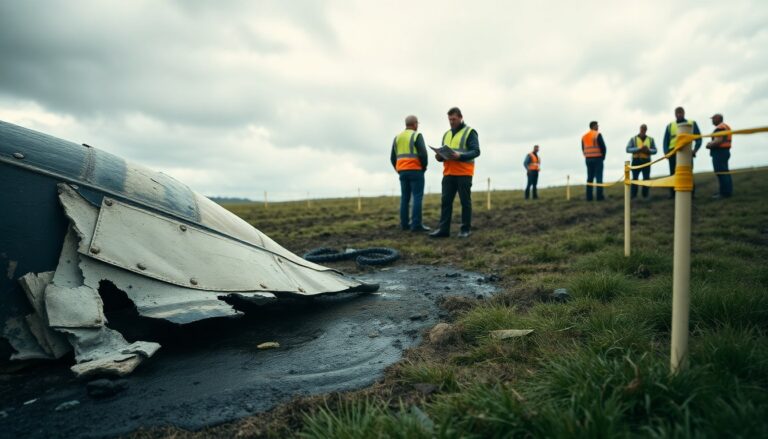
Investigating authorities retain primary responsibility for securing and cataloguing evidence under EU Regulation 996/2010. Until those authorities arrive, on-scene personnel must avoid altering the site wherever possible. Exceptions apply only to actions necessary to protect life or safety, or when authorised by the site controller.
Do not move wreckage, take samples, erase recordings, or otherwise disturb potential evidence unless safety or site control requirements mandate intervention. Individuals with custody of aircraft records should take immediate steps to preserve relevant documents, recordings and materials. Examples include voice and cockpit recordings, maintenance logs and communication records.
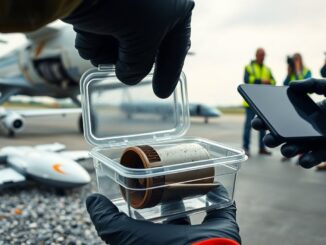
Preservation measures should be simple and verifiable. Label and store physical items in secure, tamper-evident containers. Duplicate digital files where possible and keep originals untouched. Log chain-of-custody details, noting who handled each item, when and why.
When information is sensitive or protection is needed, continue to follow established whistleblowing procedures, including anonymous channels where appropriate. Anyone who manages operational data must also be aware of legal obligations and potential sanctions for intentional destruction.
Practical lessons from operational failures apply here: poor evidence handling often stems from rushed decisions and unclear ownership. Assign a named evidence custodian at the scene whenever feasible. That single point of accountability reduces inadvertent loss and strengthens later analysis.
Actionable steps: secure the site, refrain from altering potential evidence, preserve originals, create verified copies, and document every handling action. These steps preserve investigative integrity and protect organisations from legal and reputational risk.
Practical steps to protect crucial material
Following initial securing by authorities, organisations and individuals should take measured actions that preserve evidence and reduce legal exposure. Keep interventions minimal and clearly documented.
Start by creating a visual record. Photograph the scene from multiple angles before moving items. Include wide shots and close-ups to capture context and detail.
Secure physical objects only when instructed or authorised. Store items in clean, dry containers to limit deterioration. Use tamper-evident packaging where available.
For digital media, create isolated copies and prevent automatic processes that could remove files. Place original devices in flight mode or powered-off storage when technically appropriate.
Maintain a clear chain of custody. Record who handled each item, the time and the reason for any transfer. Preserve metadata and avoid actions that alter digital timestamps.
Obtain and preserve witness information promptly. Note names, contact details and observed actions in writing. Keep witness notes separate from other case files.
Limit access to evidence. Assign a single custodian or small team to control handling and storage. Restrict access logs to authorised personnel only.
I’ve seen too many investigations hampered by avoidable errors. These practical steps increase the likelihood that investigators can accurately reconstruct events and support regulatory review.
Airprox incidents and occurrence reporting
These practical steps increase the likelihood that investigators can accurately reconstruct events and support regulatory review. The UK Airprox Board (UKAB) reviews near-miss events classified as Airprox. Incidents that meet near-collision criteria must also be reported as a Mandatory Occurrence Report (MOR).
Where appropriate, occurrences involving Annex I aircraft may be notified to UKAB and filed as a Voluntary Occurrence Report (VOR). Guidance on completing MORs and VORs is available through official occurrence reporting procedures and on the UKAB website. Timely submission of reports enables trend analysis and supports targeted safety interventions across the aviation system.
Who should report is defined by regulatory guidance and operator responsibilities. What to report includes any event that compromises separation or creates a risk of collision. Where and how reports are submitted follows the standard occurrence reporting channels used by operators and air traffic services. Why prompt reporting matters is simple: it provides the data regulators need to identify systemic risks and direct corrective action.
Anyone responsible for operations or safety management should prioritise accurate and timely reporting. I’ve seen too many organisations defer reports until they have certainty, and that delays corrective measures. Growth data tells a different story: early, consistent reporting leads to clearer trends and more effective mitigation.
Whistleblowing and handling sensitive information
Who: the Civil Aviation Authority (CAA) operates a confidential whistleblowing route for safety concerns that cannot be comfortably reported in a standard occurrence form.
What: the route permits disclosure of sensitive matters, including potential breaches of Article 16 of retained EU Regulation 376/2014. Reports submitted via this channel are managed in confidence and processed under data protection rules.
When and where: use the whistleblowing route whenever an individual believes an issue is too sensitive or risky to include in a routine occurrence report. The CAA will acknowledge receipt and explain which internal pathway will handle the matter.
Why this matters: confidential handling reduces barriers to reporting and helps surface issues that might otherwise go unreported. Growth data tells a different story: early, consistent reporting leads to clearer trends and more effective mitigation.
How the CAA responds: the acknowledgement will state whether the matter is being directed to a complaints process, a whistleblowing investigation, or another relevant department. Appropriate safeguarding and data protection measures are applied throughout.
Practical note from experience: anyone who has launched a compliance process knows that culture and clear channels matter more than policy documents. I’ve seen too many organisations lose valuable leads because staff feared inappropriate exposure. Clear confidentiality promises and swift, transparent routing increase trust and reporting rates.
Actionable advice: document the concern with factual detail, preserve any supporting evidence, and use the CAA whistleblowing route when confidentiality is essential. Expect an acknowledgement that outlines next steps and the internal route handling the case.
What to expect after you report
Expect an acknowledgement that outlines next steps and the internal route handling the case. You will normally receive confirmation of the process that will be followed and an indication of whether the matter will be investigated further.
The CAA and AAIB treat reports seriously and aim to provide feedback where possible. Personal information is handled under the Data Protection Act 2018 and relevant privacy notices. That ensures reporter confidentiality and preserves the integrity of investigations.
Anyone who has reported safety issues knows that clear evidence handling matters. Effective reporting and secure evidence protection together strengthen aviation safety for the public. I’ve seen organisations lose trust by failing to protect data, and that undermines corrective action.
Where an investigation proceeds, you may receive periodic updates until the matter is closed. If you supplied contact details, expect communication about outcomes or further information requests. Authorities may not share operational details, but they will confirm how the report has influenced safety oversight.