The UK has declared freedom from highly pathogenic avian influenza, marking a significant milestone in the ongoing battle against bird flu. Explore the latest updates and prevention strategies.
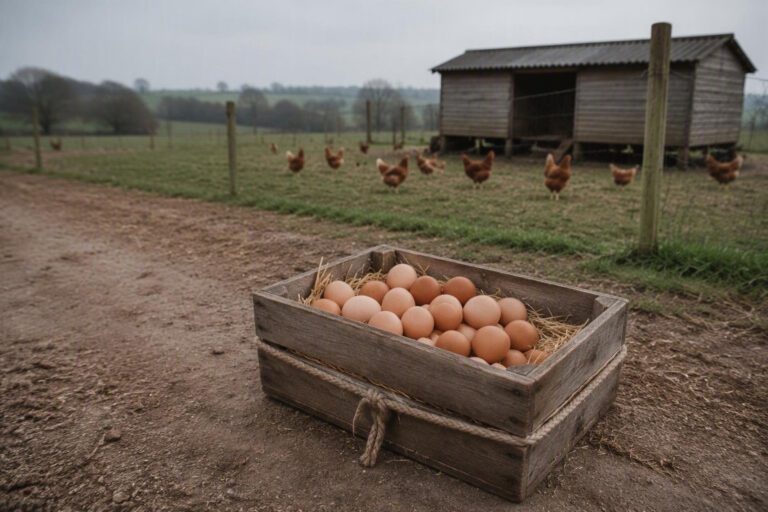
The United Kingdom has achieved a significant milestone in its fight against avian influenza, declaring freedom from highly pathogenic avian influenza (HPAI) for Great Britain on 18 May 2026. This declaration comes after the lifting of the avian influenza prevention zone (AIPZ) for poultry and captive birds in England, Wales, and Scotland on 4 June 2026.
The journey to this point has been marked by rigorous monitoring and control measures. The first case of HPAI H5N1 of the 2026 to 2026 outbreak season was confirmed in Northern Ireland on 9, followed by cases in England, Scotland, and Wales.
The collective efforts of various stakeholders have been crucial in managing and mitigating the spread of the disease.
The 2026 to 2026 Outbreak Season: A Comprehensive Overview
The 2026 to 2026 outbreak season saw a total of 100 confirmed cases of HPAI H5N1 across the UK, with England reporting the highest number of cases at 79.
Scotland, Wales, and Northern Ireland also reported cases, highlighting the widespread nature of the outbreak. In comparison, the previous outbreak season from 2026 to 2026 saw 82 cases of HPAI, indicating a significant reduction in the number of cases.
It is essential to note that the outbreak season is recorded from 1 October to 30 September each year. This consistent reporting period allows for accurate comparisons and trend analysis over time. The data from previous seasons, such as the 2026 to 2026 season with 207 cases, provides valuable insights into the patterns and dynamics of avian influenza outbreaks.
Guidance and Prevention Measures
To combat the spread of bird flu, the UK government has provided comprehensive guidance on various aspects of disease management. This includes instructions on spotting and reporting bird flu in poultry and other captive birds, as well as guidelines for reporting dead wild birds. Prevention measures are crucial in stopping the spread of the disease, and the government has outlined specific rules for disease zones and movement licences.
For those keeping racing pigeons, birds of prey, and other captive birds, there are specific rules to follow. Additionally, guidelines are available for holding bird gatherings, ensuring that all necessary precautions are taken to prevent the spread of avian influenza. The government also provides information on keeping other pets safe from bird flu, such as cats and dogs, and monitors the spread of the disease in wild birds and wild mammals.
Vaccination and Research
Vaccination plays a critical role in the prevention and control of avian influenza. In England, vaccination of poultry or most captive birds against bird flu is not permitted. However, zoo birds can be vaccinated if they meet specific eligibility criteria and obtain authorisation from the Animal and Plant Health Agency (APHA). The government continues to invest in bird flu research and monitors the situation globally, working with the Veterinary Medicines Directorate (VMD) to monitor the development of vaccines for birds.
Risk Levels and Outbreak Assessments
The risk of HPAI H5 in wild birds in Great Britain is assessed as low, meaning that such events occur rarely. The risk of poultry exposure to HPAI H5 is also assessed as low, both where there is suboptimal or poor biosecurity and where stringent biosecurity is consistently applied. These assessments are based on detailed evidence and supported by various reports, including risk and outbreak assessments, outbreak epidemiology reports, and weekly reports of findings of bird flu in wild birds in Great Britain.
The UK Health Security Agency (UKHSA) advises that bird flu is primarily a disease of birds and poses a very low risk to the general public’s health. The Food Standards Agency (FSA) has also stated that bird flu poses a very low food safety risk for UK consumers. Properly cooked poultry and poultry products, including eggs, are safe to eat.
Wild Birds and Mammals
The government has set out practical information to support land managers, the public, and ornithological and environmental organisations in their response to the growing threat of bird flu. The mitigation strategy for avian influenza in wild birds in England and Wales explains how these groups, together with the government and its delivery partners, can reduce the impact on wild bird populations while protecting public health, the wider environment, and the rural economy.
Avian influenza viruses can also infect wild and kept mammals, known as influenza of avian origin. The government monitors the risk of influenza of avian origin in wild mammals and provides detailed reports and interactive maps showing findings of influenza of avian origin in wild and captive mammals. It is crucial to report any suspected cases immediately to the appropriate authorities.
Feeding wild birds can be done safely, but it is essential to wash hands with soap and water afterwards. Avoid areas with premises where poultry or captive birds are kept, as wild birds can spread bird flu to captive birds. If you are in an avian influenza prevention zone (AIPZ), you cannot feed wild gamebirds within 500m of a premises with more than 500 poultry or captive birds. Always follow the guidelines provided to keep feeders and water baths clean, helping to stop the spread of bird flu and other diseases.
The UK Health Security Agency has emphasized that the risk to the public from this bird flu strain is very low, primarily affecting birds. It is crucial not to touch or move any dead or sick wild birds and to report them immediately. Wash your hands thoroughly with soap and water if you touch wild bird faeces or feathers, and follow the advice provided by the NHS.