

Every summer, Dutch children and their families participate in the Avondvierdaagse, a four-day walking festival that encourages exploration, physical activity, and community bonding.
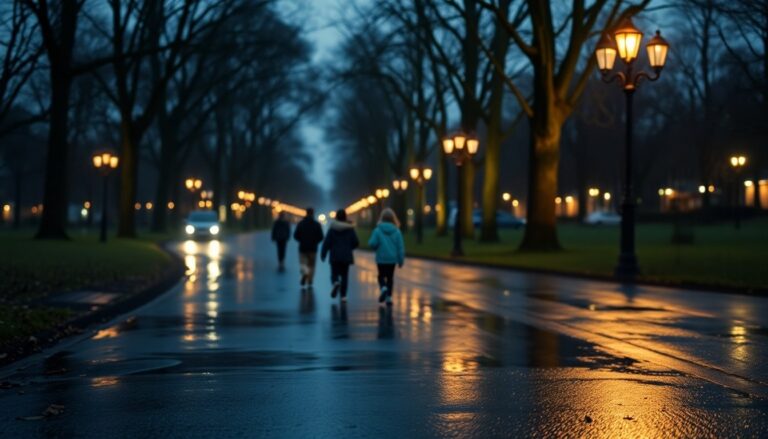
The Dutch have a unique tradition that brings communities together and promotes physical activity among children: the Avondvierdaagse. This annual event, which translates to “four-day evening walk,” sees hundreds of thousands of participants across the Netherlands embarking on evening walks through their neighborhoods.
The event is organized by local volunteers and supported by the Royal Dutch Walking Association (KWbN).
Despite the rain, children eagerly arrived at Amsterdam’s Westerpark at 5pm, ready to embark on their 5km or 10km walks. The event is not a race but a celebration of community and physical activity.
Children who complete all four nights receive medals, flowers, and sweets, making it a highly anticipated event for many Dutch kids.
The Origins and Evolution of Avondvierdaagse
The Avondvierdaagse has its roots in military training, with the first march held in Nijmegen in 1909.
During the Second World Wartowns organized walks for soldiers, and after the war, citizens joined in. This evolved into the Nijmegen Four-Day Marchesthe largest walking event in the world, attracting 45,000 participants from over 80 countries.
The Avondvierdaagse, often referred to as the “little brother or sister” of the Nijmegen marches, is primarily aimed at primary school children and their parents. It has become a national identity marker for the Dutch, much like King’s Daya holiday celebrated with street parties and flea markets. The event even has its own traditional delicacy: half an orange topped with a white Wilhelmina peppermint, wrapped in muslin.
The Benefits of Avondvierdaagse
While the original walks were not primarily about exercise, the Avondvierdaagse has become a way to motivate kids to enjoy being outside and moving their bodies. Sanne de Vriesprofessor of physical activity in childhood at Leiden University Medical Centerexplains that encouraging children to participate in the event helps build a positive association with physical activity. “Positive emotion that sticks is important,” she says.
The event also fosters resilience and social connections. Dutch children are consistently ranked among the happiest in the world, and the Avondvierdaagse plays a role in this. The walks provide an opportunity for children to spend time with their parents and school friends outside the classroom, strengthening their social relations. Many children wear matching shirts representing their schools, adding to the sense of community.
Challenges and Future of Avondvierdaagse
Despite its many benefits, the Avondvierdaagse faces challenges. Some question its inclusivity for people with disabilities or from different cultural backgrounds. In cities like Amsterdam, participants may not reflect the diversity of the population, appealing more to higher-income parents. Additionally, the event relies heavily on volunteers, and some locations have had to stop due to a lack of volunteers.
However, the Avondvierdaagse remains a beloved tradition that brings communities together. Organizers like Philip Bueters emphasize the importance of the event for kids and the surrounding area. “It has survived for decades because it brings communities together in a very simple, healthy, and screen-free way,” says Arno van Gemert of KWbN. The event captures the Dutch spirit of being active outdoors regardless of the weathercombined with a highly organized community effort.
As the sun finally shone on the last day of the Avondvierdaagse in Westerpark, the sense of community was strong. Children danced to local hits, climbed statues for photos, and celebrated their achievements with their families. The event is a testament to the gezelligheida Dutch concept that captures the spirit of togetherness and cosiness. While uniquely Dutch, the Avondvierdaagse’s formula can be copied elsewhere, fostering community and happiness among children around the world.
