Learn why hot weather makes your ankles, feet and hands expand, what helps quickly and which warning signs require medical review
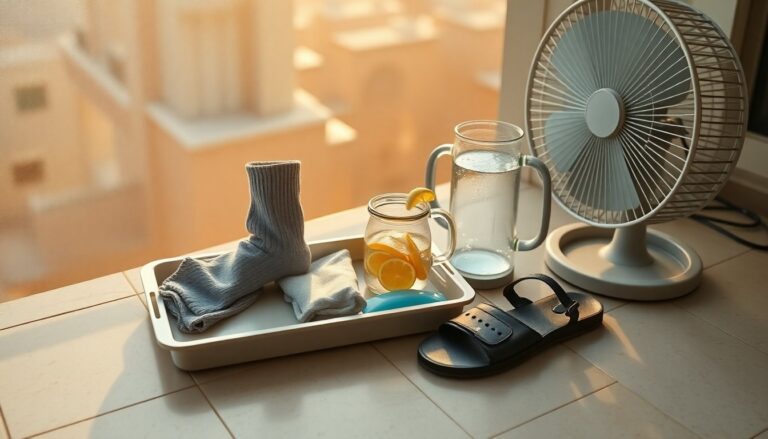
The warm months bring longed-for sunshine, but they also bring a common and often worrying problem: puffiness in the lower limbs and sometimes the hands and face. Many people assume anything that looks like fluid retention must be a serious illness, yet most cases are temporary and linked to the body’s effort to cool itself.
In plain terms, the skin and superficial tissues collect extra fluid when the circulation changes in heat. Understanding the mechanism, who is more likely to experience it, and the practical measures that quickly relieve symptoms can spare needless anxiety and point out when professional assessment is essential.
Below we explain the physiology in accessible language, identify groups at higher risk, and outline straightforward first-aid steps you can use immediately. Throughout, I highlight key medical terms and offer short definitions in italics so you can spot important concepts at a glance.
The guidance is aimed at helping you manage common summer swelling while recognising the symptoms that might indicate heart, kidney or vascular problems that need urgent attention.
How heat produces swelling
When ambient temperature rises the body widens small blood vessels in the skin to shed heat; this process is called vasodilation. As vessels dilate their walls become more permeable, allowing fluid to escape into surrounding tissues. Gravity then encourages that fluid to settle in the lowest parts of the body, most often the ankles and feet, producing the familiar picture of swollen ankles and tight shoes. This phenomenon is commonly referred to as heat oedema, a temporary accumulation of fluid that usually eases when body temperature falls and the legs are elevated.
The role of movement and valves
Venous return from the limbs depends on functioning tiny valves in the veins and regular muscle contractions when you walk. If you sit or stand still for long periods, especially in hot conditions, those mechanisms become less effective and fluid pools. Air travel and long drives are typical triggers because the legs are kept below heart level and movement is restricted. Dehydration paradoxically worsens the problem: the body releases hormones such as vasopressin, which promote water retention, so sipping water is important even when you feel puffy.
Who is most likely to be affected
Some people are more prone to heat-related swelling. Older adults often have weaker vein valves and slower circulation, which makes fluid pooling easier. Women can be more susceptible because hormonal fluctuations, particularly progesterone, encourage fluid retention. Those with higher body weight, limited mobility, or who spend long periods sitting are at increased risk. Pregnant people are especially vulnerable because pregnancy raises blood volume and the growing uterus compresses veins returning blood from the legs, amplifying the tendency to swell in warm weather.
When swelling signals something more serious
Most heat-induced swelling resolves with cooling and elevation, but persistent or unusual patterns require assessment. Swelling that is only in one leg, accompanied by pain, redness or warmth, could indicate deep vein thrombosis and needs urgent review. Shortness of breath, reduced urine output, or progressive swelling that does not improve overnight may point to heart failure or kidney dysfunction. Facial puffiness in pregnancy—especially with headache, visual changes or high blood pressure—might be a sign of pre-eclampsia and should be evaluated immediately.
Practical steps to reduce swelling and when to seek help
Immediate relief often comes from a few low-effort measures: lie down and elevate your legs above heart level for 20–30 minutes to encourage fluid to return centrally; avoid prolonged standing or sitting without moving; and keep well hydrated to prevent hormonal fluid retention. Wearing light, supportive compression socks or tights can assist venous return for people who experience recurrent swelling. Also, reduce salty processed foods, as excess sodium promotes fluid retention.
If swelling improves with these steps and disappears after cooling or sleeping, it is reassuring. See a doctor promptly if swelling worsens, does not settle, is asymmetric, or is accompanied by breathlessness, marked reduction in urine, chest pain or other systemic symptoms. Those with chronic conditions or pregnancy should obtain tailored advice from their healthcare provider. Simple cooling, elevation and gentle movement usually do the trick, but knowing the red flags helps separate harmless summer puffiness from conditions that need treatment.