Join a night of music, archival moments and heartfelt tributes as Sir David Attenborough marks his 100th birthday with a BBC tribute and the promise of a new Blue Planet series
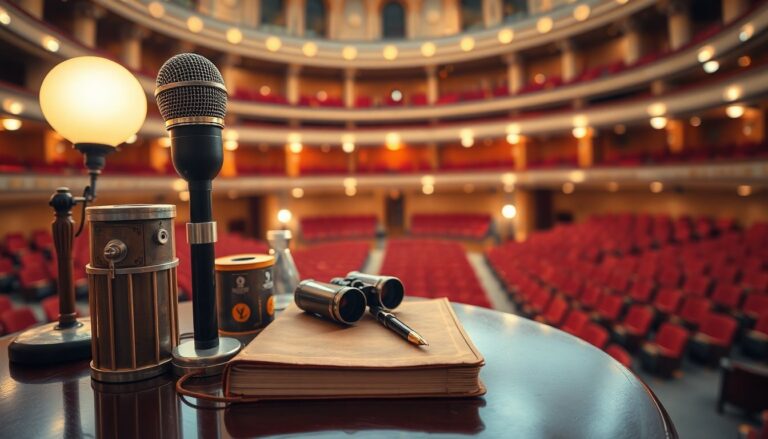
The broadcaster and conservationist Sir David Attenborough reached the milestone of turning 100 and the BBC marked the occasion with a live, televised celebration from the Royal Albert Hall on 8 May 2026. The event was presented as a 90-minute special on BBC One that wove together memorable sequences from the corporation’s natural history archive, live musical performances and recorded tributes from public figures.
Across his more than 75-year career, Sir David has become synonymous with modern natural history storytelling, and the programme highlighted both his best-known television moments and his ongoing work behind the microphone.
The evening blended reverence with light-heartedness: orchestral arrangements accompanied classic television sequences while contributors reflected on the cultural and environmental influence of his work.
A short filmed sequence showed Sir David in a recording booth laying down narration, a reminder that the presenter remains active in broadcasting. Throughout the show the accompaniment of the BBC Concert Orchestra underscored the emotional resonance of familiar scenes from series such as Planet Earth and Blue Planet.
The programme and performances
Opening the live segments, host Kirsty Young set the tone with theatrical staging that included life-size puppet animals created by The Herds, a playful substitute for bringing wildlife into the venue. Musical moments came from a range of artists: Dan Smith of Bastille delivered an orchestral take on his hit, Icelandic band Sigur Rós performed, and British singer Sienna Spiro contributed a set tied to the programme’s themes. The staging intentionally linked musical arrangements to the visual archive, reinforcing how soundtracks have become part of the emotional language of natural history television.
Notable guests and arrivals
The red carpet drew an assembly of actors, presenters and conservation figures, including Benedict Cumberbatch, Gillian Anderson, radio host Greg James, Strictly star Tasha Ghouri and Sir David’s nephew Michael Attenborough. Broadcasters and field naturalists such as Ade Adepitan, Chris Packham and Muriel Gray were also present, reflecting the show’s mix of entertainment and expert commentary. Sir David himself was seated in the Royal Box beside the Prince of Wales, and his arrival drew warm applause from the audience.
Tributes, messages and announcements
Recorded messages framed a large portion of the evening. In a filmed sequence King Charles III sent his personal congratulations, while the Prince of Wales offered his own praise live from the stage, underlining the presenter’s role in shaping public understanding of the natural world. Video contributions also arrived from international figures including Leonardo DiCaprio, Phoebe Waller-Bridge and Camila Cabello, each thanking Sir David for the ways his storytelling has inspired concern for the planet.
One of the evening’s major announcements from the BBC confirmed that Sir David will return to narrate Blue Planet III, a new six-episode series. BBC executives described their delight that he would again front a flagship ocean series, and the news reinforced the theme that Sir David remains an active presence in contemporary natural history production. Elsewhere in the show, light moments—such as the use of night-vision footage that playfully picked out faces in the crowd—offered a contrast to the more solemn appeals about conservation.
Audience reaction and closing moments
The live audience expressed its admiration with multiple standing ovations, and the evening concluded with a communal rendition of “Happy Birthday”, joined by the Prince of Wales. Short film inserts revisited signature television scenes—encounters with a baby gorilla, a leatherback turtle nesting, and intimate moments with sloths—reminding viewers how many generations have learned about the planet through Sir David’s voice. A closing clip of him at work reinforced the programme’s central message: despite the milestone of becoming a centenarian, he continues to lend his voice to new projects.
Legacy, perspective and the road ahead
Speakers and colleagues reflected on Sir David’s influence not only as a presenter but as a catalyst for environmental awareness. Producers noted that while he has often preferred privacy—Alastair Fothergill observed that Sir David “does not enjoy celebrity” and would rather spend a quiet birthday at home—he accepted the public celebration because of the public’s affection. The gathering therefore served a dual purpose: it paid tribute to a remarkable career and underscored ongoing concerns about habitat loss, plastic pollution and climate change that have animated much of his later work.
As the broadcast ended, viewers were left with a sense of continuity: archival sequences reminded audiences of past achievements while the announcement of Blue Planet III signalled that Sir David’s storytelling will remain a fixture in natural history broadcasting. The night at the Royal Albert Hall was both a retrospective and a statement of intent—the enduring power of narrative, music and moving imagery to shape how societies value wild places and the species that inhabit them.