

A controversial B&B proposal in a coastal village has been approved after overcoming initial safety objections.
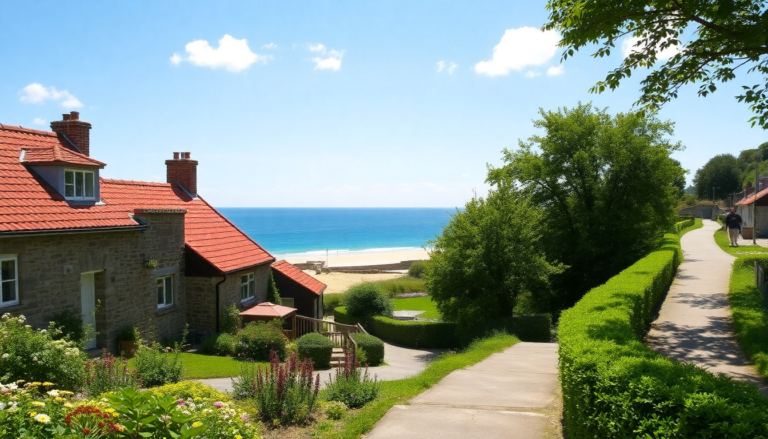
In an exciting development for a coastal village in Ceredigion, plans to transform outbuildings into a cozy bed-and-breakfast (B&B) have just been given the green light after a successful appeal. This decision comes despite earlier concerns about pedestrian safety that led to an initial rejection.
So, what changed? A thorough review by Planning and Environment Decisions Wales (PEDW) has revealed some promising insights.
Background of the Proposal
The proposal, spearheaded by Cynllunio RW Planning Ltd, aims to convert recently approved outbuildings into B&B accommodations. The applicants previously ran Angorfa B&B in nearby Llangrannog before moving to Llys y Nant.
In their supporting documents, they made a compelling case for the need for more holiday accommodations in the area, pointing out that the sale of Angorfa had left a noticeable gap in local tourism options.
Reflecting on the situation, the applicants stated, “Since selling Angorfa, the property is no longer a B&B, thus leaving an under-provision in the settlement and wider area for such accommodation.” With confidence in the demand for their project, they highlighted the property’s prime location—just a short stroll from Llangrannog.
Initial Rejection and Appeal Process
However, the journey wasn’t smooth sailing. The application faced significant pushback from both the Llangrannog Community Council and the local highways department, primarily due to concerns over road and pedestrian safety. According to the planning officers’ report, the application was initially turned down because it didn’t provide adequate access for pedestrians, cyclists, and individuals with disabilities to local services, which clashed with existing planning policies.
Following this setback, the applicants took a stand and appealed the decision to PEDW. The Inspector’s report took a deep dive into the potential impacts on highway user safety and the proposal’s alignment with sustainable development principles. After careful consideration, the Inspector found that the distance to the village and the terrain were manageable, even for those with strollers or wheelchairs.
Inspector’s Findings and Approval
In the review, the Inspector tackled the highway safety objections head-on, noting a lack of evidence to support claims of major traffic conflicts. They remarked, “Although the officer’s report refers to an objection arising from its Highways consultation, there is nothing before me that expands on the nature of this objection, and neither have I been presented with any cogent evidence that the existing highway network is causing significant conflict amongst road users.”
The report also highlighted the narrow, winding lane leading to the site, which naturally slows down traffic and encourages cautious driving. The Inspector concluded that the proposed B&B would not significantly increase traffic compared to its current use.
Ultimately, the Inspector stated, “I conclude that the proposal would not be harmful to highway safety, and it would comply with the sustainable placemaking principles of [LDP policies].” This decision is a game-changer for the village, with the potential to boost local tourism and provide much-needed accommodation options.
