

Are we eating ourselves into health problems? Let's dive into the CDC's latest report on ultra-processed foods.
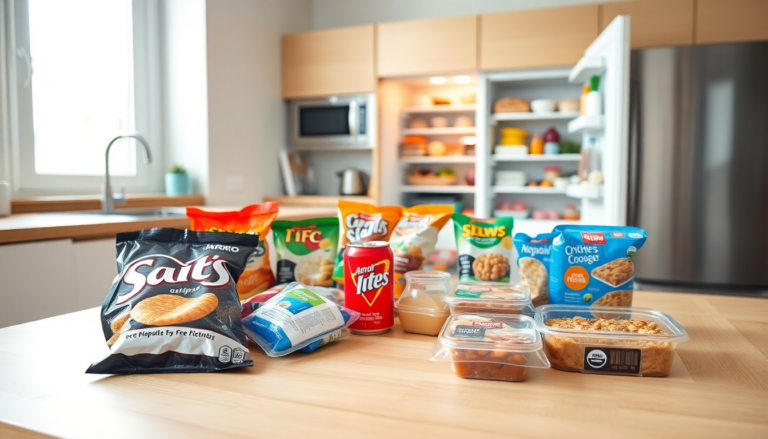
Hey there! Let’s chat about something that’s been buzzing around lately: ultra-processed foods. 🍔 You know, those quick snacks and meals that are super convenient but might not be doing our bodies any favors? A recent survey from the CDC has thrown some light on just how much of our diet consists of these foods, and spoiler alert: it’s a lot! So, grab a snack, and let’s break this down together.
The CDC’s Eye-Opening Findings
According to the new survey conducted by the Centers for Disease Control and Prevention, a whopping 55% of the calories consumed by Americans come from ultra-processed foods. 😲 Yes, you read that right! This study tracked the eating habits of Americans from August 2021 to August 2023, and the results are raising eyebrows all over.
What’s even more striking? Kids aged 1 to 18 are consuming nearly 62% of their calories from these processed options. Can you believe that?
Now, before we dive deeper, let’s talk about what ultra-processed foods even are. Think along the lines of packaged snacks, frozen meals, sugary drinks—basically anything that’s more processed than a home-cooked meal.
The trend is clear: as we get busier, we often reach for these easy-to-eat options rather than opting for fresh, whole foods.
Health Implications: What’s at Stake?
So, what does this mean for our health? Well, studies have consistently linked ultra-processed foods to various health issues, including obesity, heart disease, and diabetes. 😟 And here’s where it gets interesting—Robert F. Kennedy Jr., who is making waves with his “Make America Healthy Again” campaign, has pointed fingers at sugar and these processed foods as culprits behind many health crises. He’s not shy about saying that our genes aren’t the problem; it’s our diet. What do you think about that? Unpopular opinion: maybe it’s time we start paying closer attention to what’s on our plates!
But hold on! It’s not all doom and gloom. The survey does show a slight decline in the consumption of ultra-processed foods compared to previous years. For instance, adults consumed about 55.8% of their calories from these foods in 2013-2014, which has now dropped to 53%. Progress, right? 🎉
Income Levels and Food Choices
Now, let’s talk about something that’s often overlooked: the link between income levels and diet. The survey revealed that households with higher incomes tend to consume fewer ultra-processed foods. Those earning three and a half times above the federal poverty level consumed 50.4% of their diet from processed options, while those at or below that level consumed 54.7%. It’s a stark reminder of how socioeconomic factors can influence our eating habits. Who else thinks this needs more attention? 🤔
Interestingly, the study also pinpointed the most common sources of these ultra-processed calories. Sandwiches, including burgers, are leading the pack, followed closely by sweet baked goods and sugary drinks. It makes you wonder—what can we do to shift our habits towards healthier choices? Let’s brainstorm together!
Final Thoughts: A Call to Action
As we digest (pun intended!) all this information, it’s clear that our dietary patterns are shifting, and not necessarily in a good way. The CDC’s findings are a wake-up call for many of us. We have the power to change our eating habits, whether that’s cooking more at home, choosing fresh ingredients, or simply being more mindful of what we put in our bodies. 🌱
So, what steps are you taking to embrace healthier eating? Let’s keep this conversation going! Share your thoughts, tips, and experiences below—because we’re all in this together! ✨ #HealthyEating #WellnessJourney #FoodForThought
