

Thunderstorms can be more than just a weather event; they can trigger life-threatening asthma attacks in many, even those without prior conditions.
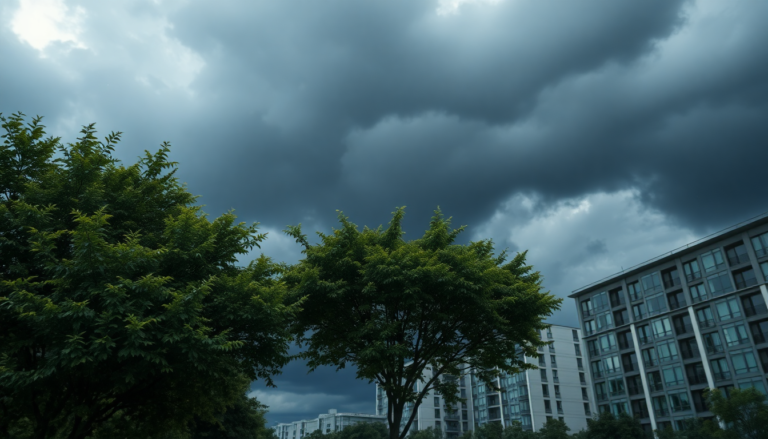
Hey there! 🌩️ Have you ever heard about thunderstorm asthma? It’s a pretty alarming reaction that can happen during storms, and it’s becoming more common. Just when you thought the weather was just a topic for small talk, it turns out it can affect your health in serious ways! Let’s dive into what this is all about, shall we? 💬
The Alarming Link Between Storms and Asthma
So, here’s the scoop: a leading health organization has dropped some serious guidance about the dangers of thunderstorms, specifically how they can lead to life-threatening asthma attacks. And get this—it’s not just those who already have asthma at risk! The dust and debris kicked up by the storm can also trigger attacks in people who don’t even have asthma.
😱 Crazy, right?
Take Melbourne, for example. Back in 2016, a thunderstorm led to an overwhelming number of asthma cases, tragically resulting in ten deaths. The UK Health Security Agency (UKHSA) has pointed out that this isn’t a new phenomenon. From as far back as the 1980s, cities like Birmingham have reported similar events.
It’s wild how something as natural as a thunderstorm can have such a devastating impact on people’s health.
But what actually happens during these storms? Well, when high winds whip up pollen, particularly in the spring and summer, it combines with lightning strikes, breaking those particles down into even smaller bits. These tiny pollen pieces can then be inhaled more easily, leading to severe asthma attacks—even in those who have never experienced wheezing before. Talk about an unexpected plot twist! ⚡️
Why Everyone Should Be Aware
Did you know that over 7 million people in the UK have asthma? That’s a huge number! But here’s the kicker: thunderstorm asthma can impact anyone, especially young adults under 30. If you find yourself wheezing during a storm, it might just be thunderstorm asthma at play.
Professor Jonathan Grigg, a top expert in respiratory medicine, emphasizes that thunderstorms can break down pollen and send it deep into the lungs. If you’re sensitive to it, you could experience a severe asthma reaction. And get this—some kids who came into clinics in London during storms in 2023 had no prior asthma history! 😲
It’s also worth noting that urban areas can exacerbate this risk. The combination of high pollen, air pollution, and thunderstorms creates a perfect storm for respiratory issues. So, who else thinks it’s time we all get a little more educated about this? 🌍
How to Protect Yourself
Alright, let’s talk prevention. If you know a thunderstorm is coming and the pollen count is high, the best advice is to stay indoors. Close those windows and avoid being outside during the storm, especially at the beginning when winds can be gusty. Seriously, a storm might look cool, but your health is way more important! 💪
Make sure you have your inhaler handy, especially if you’re on a steroid preventer. It’s crucial to follow your doctor’s advice and stay medicated. And if you’re in an area with high pollen and pollution, the risk increases significantly. So, what are you doing to prepare for stormy weather? 🤔
Remember, asthma affects so many people in the UK, and on average, three lives are lost to asthma attacks every day. It’s not just about wheezing or a tight chest; it’s about being proactive. If you experience symptoms like breathlessness or coughing, don’t hesitate to seek help.
Emma Rubach from Asthma + Lung UK highlights that those with hay fever can experience even worse symptoms during thunderstorms. The pollen gets broken down into tiny particles that can travel deep into the lungs, making things much worse. Plus, add in air pollution, and it’s a serious double whammy!
So, what are your thoughts on thunderstorm asthma? Have you ever dealt with it or know someone who has? Let’s talk about it! 💬 Use the hashtag #ThunderstormAsthma and share your experiences or tips!
