

Is Uganda's political landscape shifting toward repression as elections draw near?
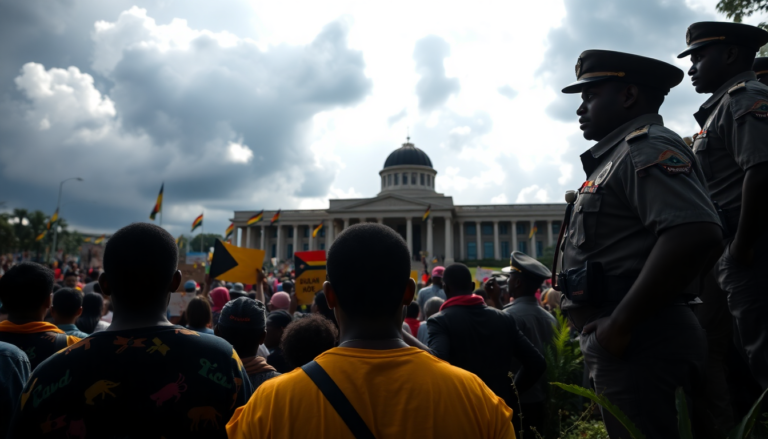
The political tension in Uganda is reaching new heights as national elections draw near. And guess what? The recent denial of bail to veteran opposition leader Kizza Besigye has sparked some serious conversations! 💬 With a long history of opposing President Yoweri Museveni, Besigye is a key figure in Ugandan politics.
But what does his current predicament say about the state of democracy and human rights in the country? Could this be a sign of a more significant crackdown on dissent as the elections approach? Let’s dive in and explore!
Background on Kizza Besigye’s Legal Troubles
Kizza Besigye, a prominent voice in the opposition, has been behind bars for nearly nine months now, facing some heavy treason charges. The recent decision by Judge Emmanuel Baguma to deny him bail has sent shockwaves through the community, igniting outrage among government critics, including fellow opposition leader Bobi Wine. The judge stated that Besigye’s time in detention doesn’t meet the 180-day requirement for mandatory bail, which starts counting from his remand back in February. As his lawyers push for his release, it’s becoming clear that this situation is about so much more than just the law; it’s a pivotal moment in Uganda’s political saga.
Let’s not forget Besigye’s tumultuous journey in Ugandan politics. He’s run against Museveni in four elections, consistently rejecting the outcomes due to allegations of fraud and voter intimidation. But now, with his fate hanging in the balance behind bars, the stakes couldn’t be higher for both him and the political climate in Uganda. What do you think this means for the future of the opposition?
The Broader Implications for Uganda’s Democracy
As Besigye remains in jail, many are left wondering what this means for democracy in Uganda. The government insists it’s not targeting opposition figures and claims those detained have simply committed crimes. But is that really the whole story? Are we witnessing a systematic crackdown on dissent as the elections inch closer? 🤔
Critics argue that the timing of Besigye’s detention hints at a strategy to silence opposition voices before the elections. This isn’t just about one individual; it’s about the fundamental rights of citizens to express their opinions and voice disagreements with the government. Who else thinks this sets a dangerous precedent for the future of Uganda?
Looking Ahead: What’s Next for Uganda?
With President Museveni, who is 80 years old, aiming for re-election, the stakes are incredibly high. The upcoming elections aren’t merely a political contest; they’re a crucial turning point for Uganda. Will Besigye’s situation inspire greater political engagement among citizens, or will it spread fear and suppress dissent?
As the opposition rallies support both locally and internationally, all eyes are on Uganda. The big question remains: how will this situation unfold in the coming months? The narrative is still being written, and with each new development, the story becomes increasingly complex. It’s time to stay informed and engaged. What are your thoughts on this unfolding situation? Let’s discuss! 💬✨
