

Tensions rise as protests against asylum seekers unfold across the UK, raising concerns about potential violence and public safety.
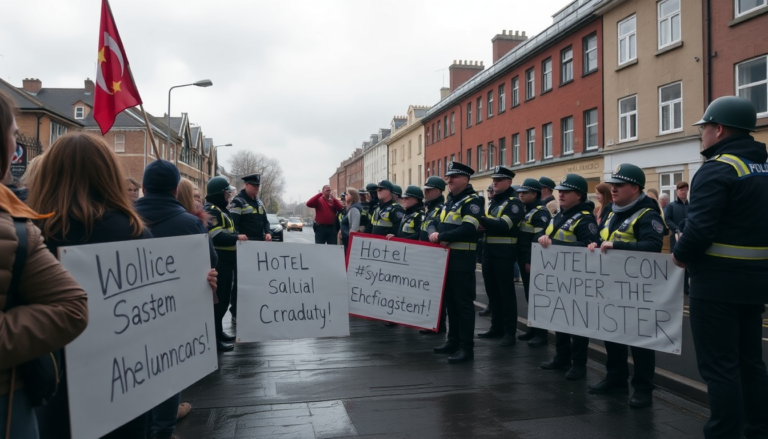
Protests are gearing up to unfold across the United Kingdom this weekend, especially outside hotels that are currently housing asylum seekers. A notable police presence is expected, and authorities have issued warnings about potential infiltrators among the demonstrators, raising concerns about possible violence and disorder.
What exactly is driving these tensions?
Growing Tensions and Protests
Anti-migrant demonstrators are set to gather in Nuneaton on Saturday afternoon, fueled by allegations related to a cover-up involving suspects charged in a disturbing rape case. This incident has sparked outrage, leading to protests in various cities including Bristol, Bournemouth, Liverpool, Leicester, and Birmingham, organized by the group Stand Up To Racism.
The protests have been ignited by the recent arrest of two men, reportedly Afghan asylum seekers, by Warwickshire Police. They are accused of being involved in the rape of a 12-year-old girl in the town. As the situation intensifies, concerns have been raised by local leaders.
Warwickshire County Council leader George Finch and Reform UK leader Nigel Farage have both suggested that authorities may be withholding crucial details about the case. Why is transparency so crucial in these situations?
Finch, who is the youngest council leader in the UK, expressed serious worries about the potential for violence, stating, “While the right to peaceful protest is a fundamental right, I am deeply concerned about the risk of these events being hijacked by agitators who seek to cause disorder and division within our community.” He pointed out the dangers posed by previous protests that have turned violent, resulting in clashes with police and damage to property. How can communities ensure that protests remain peaceful?
Police Response and Arrests
On Friday night, demonstrations took place in Canary Wharf, London, and Epping, Essex, leading to several arrests. The Metropolitan Police reported that one individual, protesting against the use of hotels for asylum seekers, was taken into custody after throwing a bottle at officers. Another protester was arrested for not removing a face covering. Is the line between protest and criminal behavior becoming blurred?
Essex Police noted that the protests in Epping, which have been ongoing since July 13 due to allegations involving an asylum seeker attempting to kiss a 14-year-old girl, had passed peacefully, although tensions remained high. One person was arrested for striking an officer, and another for breaching court bail conditions. As these protests continue, the question remains: how will authorities navigate this charged environment?
Counter-Protests and Media Involvement
In a counter-move to the rising tensions, Stand Up To Racism has organized counter-protests in ten cities, including Leeds, Newark, Exeter, and Cannock. They are urging supporters to stand against far-right groups, with reports of confrontations between the opposing sides already surfacing. What impact will this have on local communities?
Adding to the chaos, a journalist from GB News reported being struck by a placard while covering anti-racism protests in Altrincham. Sophie Reaper, the channel’s North West reporter, shared her experience on social media, confirming she was unharmed but had reported the incident to the police. This incident highlights the heightened tensions surrounding these protests and the challenging environment for journalists. How can the media effectively cover such volatile situations while ensuring their own safety?
