

As we remember Nagasaki's past, what lessons can we draw for a more peaceful future?
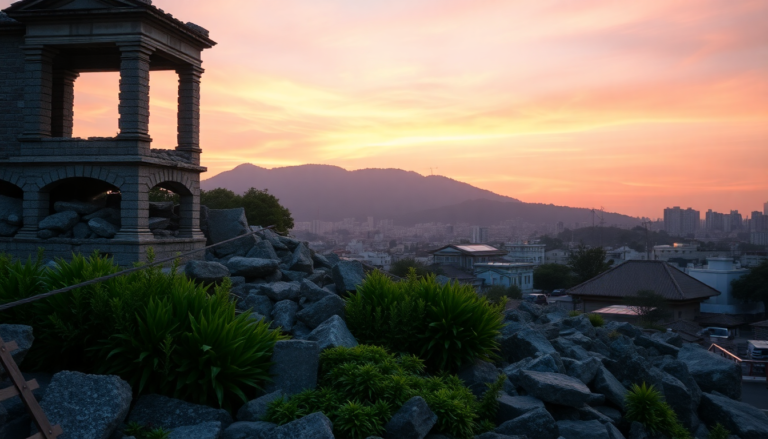
Can you believe it’s been 80 years since the atomic bombing of Nagasaki? 🤯 This heartbreaking event on August 9, 1945, didn’t just change Japan’s history; it sent shockwaves around the world that we still feel today. Every anniversary is a moment to reflect and discuss the heavy implications of such a devastating act.
So, let’s dive in and explore what this anniversary means to us in the present day.
The Historical Context of Nagasaki
Nagasaki wasn’t just a city; it became a symbol of resilience and hope. The bombing was part of a broader strategy to end World War II, yet its consequences were nothing short of catastrophic.
Over 70,000 lives were lost instantly, with countless others affected in the years that followed. This raises some tough questions: How do we reconcile the necessity of such decisions during wartime with the human cost? And who remembers the stories of those who suffered? 💔
As we reflect on this tragic past, it’s crucial to remember that history isn’t just a series of events; it’s woven from personal stories and collective memories.
Every year, survivors and their families share their experiences, and these narratives play a vital role in educating future generations about the horrors of nuclear warfare.
Modern Relevance: Peace and Conflict Today
Fast forward to today, and conversations about nuclear weapons and global peace are as pressing as ever. With rising tensions in various parts of the world, the lessons from Nagasaki serve as a stark reminder of the dire consequences of conflict. Unpopular opinion: we often take peace for granted until it’s actually threatened. Who else thinks we need to be more proactive in advocating for peace? ✌️
Recent protests around the globe highlight the urgency for action. Activists are calling for disarmament and greater accountability from our world leaders. The echoes of Nagasaki remind us that silence isn’t an option when it comes to preventing future tragedies. It’s time to engage in these conversations and strive for a world where peace is prioritized over aggression.
Community and Collective Memory
As we gather to commemorate this tragic anniversary, fostering a sense of community is more important than ever. Sharing stories, hosting discussions, and engaging with one another about the implications of the past can be incredibly powerful. This is giving me “we need to talk” vibes. How can we create spaces for these critical discussions in our own communities? 🗣️
In remembering Nagasaki, we’re not just looking back; we’re also looking forward. It’s about building a collective memory that honors those we lost while advocating for a future where such devastation is unimaginable. Let’s share our thoughts, post our reflections, and keep the conversation going. What are your ideas on how we can honor this anniversary in a meaningful way? 💬
