

Meet Sara, Fatemeh, and Shahram: three Iranians navigating life in a city grappling with heat waves and service outages. How do they cope with daily uncertainties?
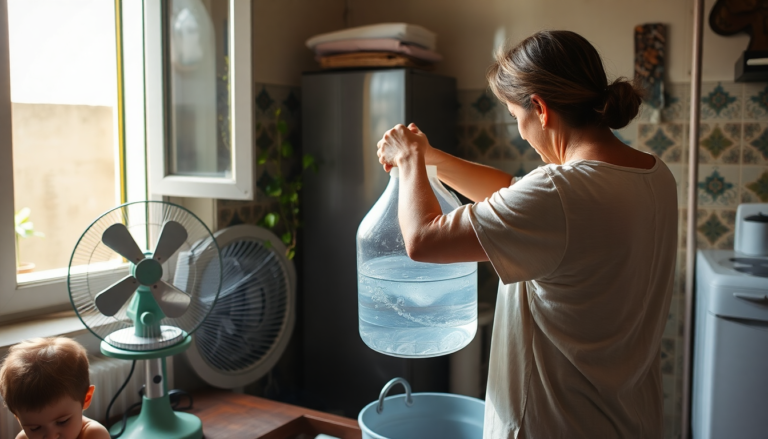
Imagine waking up every day, not to the sound of your alarm but to the dread of impending power cuts. This is the harsh reality for many people in Tehran right now, where soaring temperatures collide with chronic electricity and water shortages.
Let’s take a closer look at the lives of three individuals who are bravely adapting to these challenges and finding ways to survive in a city that feels like it’s on fire. 🔥
Power Cuts and Heat Waves: The New Normal
Sara, a 44-year-old digital marketer, kicks off her mornings at 6 am—not to scroll through social media, but to check her phone for updates on electricity outages. With a schedule of two-hour power cuts etched into her daily routine, she’s constantly on the lookout for last-minute changes that could flip her day upside down.
“Without electricity, there’s no AC to escape the heat,” she shares. It’s a stark reminder of just how intertwined the crises of water shortages and relentless heat are in her life.
But it’s not just the electricity that leaves Sara scrambling. Water outages often strike without warning, forcing her to fill buckets at the last moment before the taps run dry. This summer has been particularly brutal, marking the fifth consecutive year of drought for the country. The Iran Meteorological Organization reports that rainfall has plummeted by a staggering 40%, leading to an alarming scarcity of resources. Who else feels like they’re living in a reality show where the stakes are survival? 🌡️
Finding Solutions in Chaos
Then there’s Fatemeh, 26, who moved to Tehran from Andisheh to chase her educational dreams. However, her excitement quickly turned into a daily struggle. She recalls her first experience with an unannounced water cut, leaving her in a sweltering apartment as temperatures soared. “I literally had to stop moving to avoid overheating,” she laughs, though it’s a nervous chuckle. With just a couple of bottles of water and a block of ice, she learned the hard way how to ration her supplies.
To adapt to the chaos, Fatemeh has developed a survival routine: she now stores water in various containers and pours it into her evaporative cooler during outages. When the power goes out, she uses soaked towels to cool herself down. “When both the water and electricity go, it feels like having a fever,” she explains, painting a vivid picture of her reality. It’s wild to think that in a world filled with endless gadgets and conveniences, some folks are just trying to keep cool in their homes with ice and water! 💦
As the heat rages on outside, Fatemeh’s balcony offers no relief, with temperatures remaining higher than indoors—even at night! It’s a testament to how interconnected our lives are with the infrastructure we often take for granted.
The Ripple Effects on Livelihoods
Shahram, a 38-year-old software company manager, faces a different set of hurdles. Power cuts often strike during peak work hours, forcing him to send employees home. “There’s no point in keeping everyone here if we can’t work,” he laments. It’s more than just an inconvenience; it’s a potential threat to livelihoods as businesses struggle to stay afloat.
Small business owners, like those running pastry shops, share heartbreaking stories of throwing away spoiled goods after fridges shut down. The effects of these outages ripple throughout the economy, impacting everyone from employees to customers. And let’s be real—remote work? Not an option when you can’t even connect to the internet!
Experts highlight the urgent need for fundamental changes in how resources are consumed in Iran. With climate change amplifying natural scarcity, the focus needs to shift to sustainable practices. As these three individuals navigate their new normal, one question lingers: how long can this continue before something gives? 💔
As winter approaches, the stories of Sara, Fatemeh, and Shahram reflect a broader narrative of resilience amidst adversity. They’re not just surviving; they’re learning to adapt in a world where scarcity is becoming the new norm. It’s a harsh lesson for a generation that once took infrastructure for granted, but as they adjust, one thing is clear: the will to endure runs deep. Who else feels inspired by their stories? 🌍✨
