

Ricky Jones, a suspended Labour councillor, is on trial for allegedly inciting violent behavior at a protest against racism.
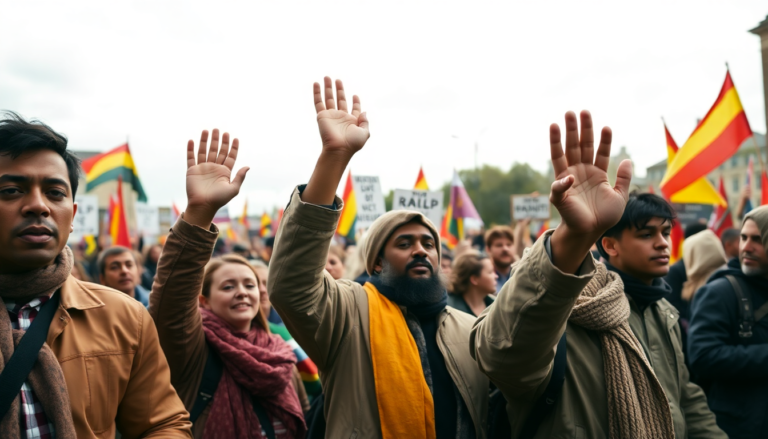
A suspended Labour councillor is gearing up for trial after allegedly inciting violent disorder during an anti-racism demonstration. Ricky Jones, 57, stands accused of making inflammatory remarks while addressing a crowd in Walthamstow, east London, on August 7 of last year.
But what exactly happened that day?
The Allegations
During the demonstration, Jones reportedly referred to far-right protesters as “disgusting Nazi fascists” and is alleged to have called for their throats to be “cut.” This shocking statement was highlighted in a prior court session, raising serious questions about incitement to violence.
Can words really lead to chaos?
A video circulating on social media after the protest appears to show Jones making these violent remarks. The demonstration was sparked by a wave of nationwide unrest, particularly in response to violent incidents, including fatal stabbings at a children’s dance class in Southport, Merseyside, earlier that summer.
Trial Details
Jones is set to appear at Snaresbrook Crown Court on Monday, facing one count of encouraging violent disorder. He has pleaded not guilty to the charges during a previous hearing last September. His defense barrister, Hossein Zahir KC, emphasized that while Jones admits to speaking those words, he denies any intention or knowledge that they would lead to violent disorder. How will the court interpret his statements?
A borough councillor in Dartford, Kent, since 2019, Jones was suspended by the Labour Party the day after the alleged incident. A spokesperson for the party condemned his behavior, stating that “this behavior is completely unacceptable and it will not be tolerated.”
Context of the Protest
The protest was a response to a series of violent incidents that had shaken the nation, especially following the tragic events in Southport. This backdrop adds a layer of complexity to the allegations against Jones, as public sentiment surrounding such protests can be intensely charged. What does this mean for the future of activism?
As the trial draws near, the implications of Jones’s statements and actions will come under the microscope. The court’s decision could have lasting repercussions, not just for Jones himself, but potentially for the Labour Party too, considering its strong stance on anti-racism and violence.
Public and Political Response
The reaction from the public and political figures has been closely monitored, with many insisting on accountability for inflammatory rhetoric. This case underscores the fine line between passionate advocacy and incitement to violence, a topic that resonates deeply in today’s political landscape. How might this affect future protests?
As the trial progresses, observers will be eager to see how evidence is presented and what effect it may have on ongoing protests and political discourse surrounding anti-racism initiatives. Will this case change the way we talk about activism?
