

Epping's asylum hotel legal issues are escalating, with significant implications for local communities and government responsibilities.
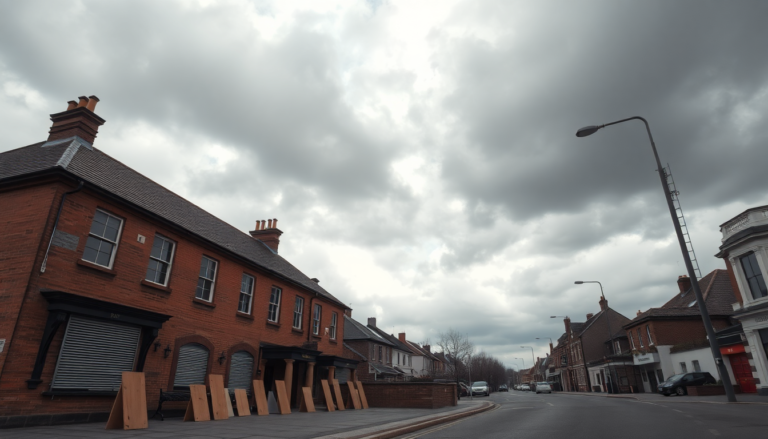
The legal battles over asylum hotels in Epping have just taken a sharp turn, thanks to a High Court ruling that puts a temporary stop to housing migrants at a local hotel. What’s the significance of this decision? It’s igniting a flurry of reactions from political leaders and community members, making us wonder what the future holds for asylum accommodations in the area.
High Court Decision and Community Response
On a pivotal Tuesday, the High Court in Epping issued a temporary injunction at the request of the Epping Forest District Council, effectively blocking the housing of asylum seekers at the Bell Hotel. This ruling has been celebrated as a major win by Reform UK leader Nigel Farage, who declared, “I hope that Epping provides inspiration to others across the country.” His words resonate with the feelings of many locals who are feeling the pressure from the rising number of migrants in their community.
In the wake of the ruling, Farage stressed the need for stricter controls on undocumented migrants, insisting that “young, undocumented males who break into the UK illegally should NOT be free to walk the streets anywhere.” His sentiments mirror the worries of residents who are advocating for their right to feel safe in their neighborhoods.
Shadow Home Secretary Chris Philp added to the conversation, noting, “Local residents have every right to feel safe in their own streets and every right to object when their community is treated as a dumping ground.”
Legal Implications and Government Stance
The Home Office is sounding the alarm about what this injunction could mean going forward. Legal experts warn it might clash with the government’s obligation to accommodate asylum seekers, potentially setting a concerning precedent. Edward Brown KC, representing the Home Office, cautioned that the injunction “runs the risk of acting as an impetus for further violent protests.”
Despite these concerns, local authorities are committed to addressing residents’ anxieties. Border Security Minister Dame Angela Eagle stated that the government will “continue working with local authorities and communities to address legitimate concerns.” The ultimate aim is to phase out asylum hotels entirely by the end of the parliamentary session, a promise Eagle reiterated in her remarks.
Timeline of Events and Ongoing Developments
The atmosphere at the Bell Hotel has been charged, with a series of protests erupting after an asylum seeker was accused of assaulting a minor. This incident has only heightened tensions, prompting residents to demand swift action. Compounding the situation, another asylum seeker at the hotel now faces multiple charges, further clouding public perception of these accommodations.
In response to these events, Mr. Justice Eyre has granted an extension for the hotel to comply with the injunction until September 12. However, the hotel’s owner, Somani Hotels Limited, plans to appeal the ruling, arguing that it could disrupt the government’s strategy for housing asylum seekers. Piers Riley-Smith, representing the hotel, emphasized the need to consider the “wide-reaching ramifications” of the court’s decision.
As this story continues to develop, it’s essential for local residents, government officials, and legal representatives to navigate these complexities thoughtfully. The unfolding situation serves as a stark reminder of the delicate balance between community safety and the obligations we owe to vulnerable individuals seeking refuge.
