

Discover what automated access warnings mean for legitimate users.
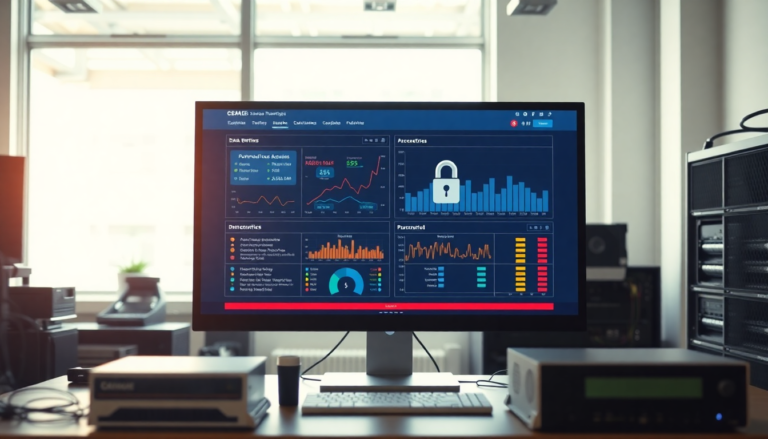
In today’s digital landscape, companies are becoming increasingly aware of unauthorized automated access to their content. Have you ever wondered how they protect their valuable information? Well, it’s all about implementing advanced systems that track user behavior patterns to spot any signs of automated activity.
These measures are essential for defending intellectual property and ensuring that online resources are used fairly.
The Rise of Automated Access Detection
Many organizations—especially those in the news and media sectors—are tightening their policies against automated scraping of their platforms.
Why? To protect their data from being mined for competitive advantage or to prevent the creation of unauthorized content. Automated access detection systems are like watchdogs, monitoring user interactions and analyzing patterns to identify potentially automated behavior. When these systems flag a suspicious user, they typically trigger a warning, prompting the user to confirm their legitimacy.
It’s a bit like a digital bouncer at the door, making sure everyone who enters is on the guest list.
These warnings serve not just as a protective measure but also as part of the terms and conditions users agree to when accessing the service. Most service agreements clearly state that using automated means to access content is a no-go, and violators may face restrictions or even bans from the platform. So, it’s crucial to play by the rules!
Understanding the Warning Message
So, what happens when you receive one of these warning messages? They usually let you know that your behavior looks automated. If you think this is a mistake, they encourage you to reach out to customer support. Sometimes, these systems can misinterpret legitimate actions, especially if they resemble automated patterns. For example, rapid clicking, repeatedly accessing specific pages, or hopping between multiple devices can all trigger these alerts. Have you ever found yourself clicking too fast? It might just be enough to raise a red flag!
If you’re a legitimate user and find yourself on the receiving end of one of these warnings, don’t panic. Instead, follow the provided steps to verify your account status. Reaching out to customer support is key to resolving any confusion. The support teams are well-equipped to handle these queries and can often restore your access once they confirm your identity.
Best Practices for Users
To steer clear of automated access warnings, it’s wise to be mindful of how you interact with websites. Try to avoid rapid-fire clicks or excessive page refreshes. Instead, adopt a more measured browsing approach. Additionally, using a single device and network for accessing content can help minimize the chances of being flagged by detection systems. It’s all about keeping it simple!
Lastly, staying informed about the terms of service for any platform you use is crucial. Understanding what constitutes acceptable usage can help you navigate these digital waters without running into unnecessary restrictions. So next time you log on, think about your browsing habits—your experience will be much smoother!
