

A recent study reveals that menstrual education in schools is inadequate, calling for mixed-gender lessons to promote understanding and support among students.
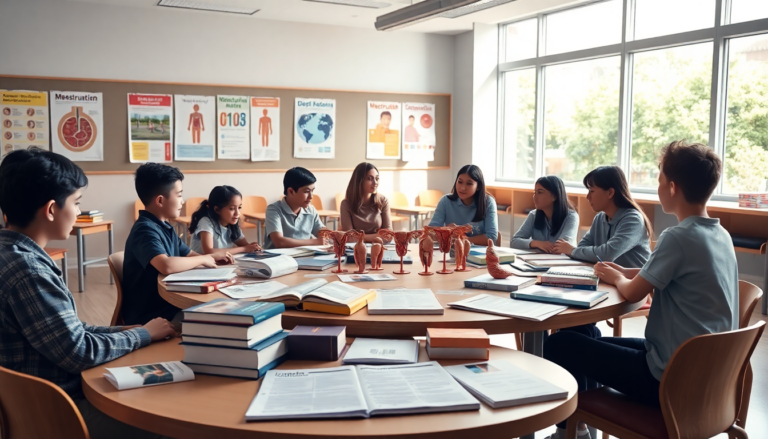
In a move aimed at improving menstrual education in schools, researchers from University College London (UCL) are advocating for boys and girls to learn about periods together. Why is this important? Well, many students receive little to no information about menstruation during their entire academic journey.
The Current State of Menstrual Education
According to the study, most pupils encounter menstruation education in just two lessons: one in primary school and another in secondary school. Professor Joyce Harper from the UCL Institute for Women’s Health points out the glaring gaps in our current educational practices, stating, “Although educating pupils about periods is now compulsory in schools in England and Wales, many only receive two lessons throughout their entire school career.”
The researchers argue that this approach simply isn’t enough.
Schools need to roll out more comprehensive lessons on menstruation that cover both the biological and emotional dimensions of the topic.
Since September 2020, relationships and sex education have been mandatory in both secondary and primary schools across England. However, the way these guidelines are implemented varies greatly, leaving many students with an incomplete understanding of menstrual health.
Importance of Mixed-Gender Education
The study champions the idea of teaching periods in mixed-gender classrooms instead of segregated sessions. Focus groups made up of both young women and men revealed that these mixed sessions are crucial for boys’ education. “Our focus groups were also of the view that boys need to be part of that education,” said Professor Harper.
Participants noted that while single-sex classes might create a space for open discussions, mixed sessions are essential for fostering understanding among all students. It’s not just about sharing biological facts; it’s about building empathy and support. This approach helps boys understand the experiences of their friends and future partners as they navigate menstruation and menopause.
In total, 55 women participated in the study, split into two age groups. Many of these women were educated before menstruation education became mandatory, highlighting a persistent gap in knowledge that still exists today.
Addressing Stigma and Lack of Education
The researchers also identified a significant stigma surrounding menstruation that often prevents individuals from seeking help for menstrual issues. Co-author Caroline Musulin emphasized, “Many women endure menstrual problems longer than they should due to the inability to speak openly about uncertainties, fears of being dismissed by healthcare professionals, or feelings of shame.”
This study underscores the pressing need for open discussions about menstruation in educational settings to combat stigma and promote a healthier understanding of menstrual health. The latest statutory guidance on relationships, sex, and health education states that students should learn about menstruation, including physical and emotional changes, by the end of primary school. By secondary school, students should be learning about menstrual and gynecological health issues, including conditions like endometriosis and polycystic ovary syndrome.
As the Department for Education gears up to implement these guidelines by September 2026, experts emphasize the importance of equipping teachers with high-quality educational resources to deliver these vital lessons effectively. So, are we ready to break the silence and end the stigma around menstruation?
