

Join me on a journey through the complex history of the United Kingdom of the Netherlands—where it all began, how it transformed, and what it means for Belgium and the Netherlands today.
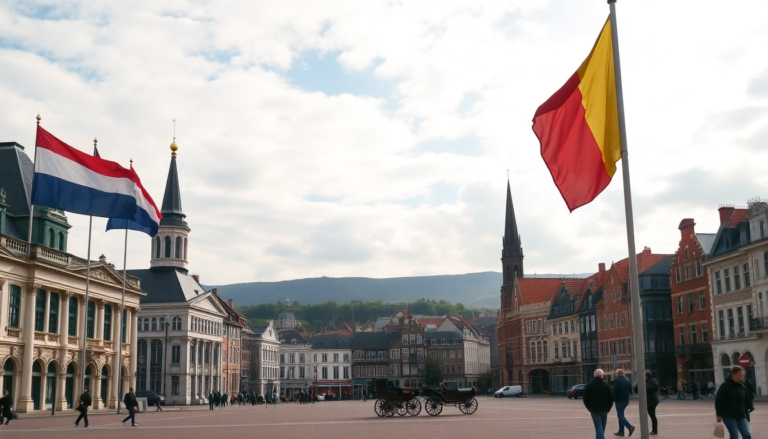
Hey there, history buffs! 🌍 Let’s chat about a fascinating yet often overlooked chapter in European history: the United Kingdom of the Netherlands. This short-lived kingdom had a huge impact on the political landscape of the 19th century, shaping the identities of both Belgium and the Netherlands as we know them today.
Ready to dive in? Let’s go!
The Birth of the United Kingdom of the Netherlands
So, picture this: it’s 1815, and Europe is just emerging from the chaos of the Napoleonic Wars. The great powers are looking to create a buffer state, and voilà, the United Kingdom of the Netherlands is born! 🎉 This new polity combined various territories—including the former Dutch Republic and parts of what is now Belgium—to form a single constitutional monarchy under King William I of the House of Orange-Nassau.
Who else thinks this sounds like a major power move? 🤔
However, not everything was smooth sailing. The new kingdom faced immediate challenges, particularly in balancing the interests of the northern and southern regions. The south was predominantly Catholic and felt marginalized by the Protestant north, leading to tensions that would simmer for years.
Can you imagine trying to unite two regions with such different identities? It’s like trying to mix oil and water!
The Rise of Tensions
Fast forward to 1830, and things are heating up! The Belgian Revolution erupts, fueled by long-standing grievances over representation and language policies. The south felt that the government was dominated by northerners, and the resentment was palpable. Unpopular opinion: I think the way the government was structured really set the stage for conflict. What do you think? 💭
As the revolution gained momentum, Belgium declared its independence on October 4, 1830. But King William I wasn’t ready to let go. He launched a military campaign to reclaim lost territory, but with the French backing the Belgians, it quickly became clear that this was a losing battle. Talk about a plot twist! 😲
The Aftermath and Legacy
By 1839, the Treaty of London officially recognized Belgian independence, marking a significant turning point. The Netherlands was left as a smaller state, having lost a significant portion of its territory and population. In the end, the United Kingdom of the Netherlands existed for just 24 years, but its legacy continues to resonate in both Belgium and the Netherlands today. 🌟
Reflecting on this, it’s intriguing to think about how historical events shape modern identities. The cultural and political divides that emerged during this period still play a role in the relationship between the two nations. Who else thinks that understanding this history can help us navigate current discussions about national identity? Let’s keep the conversation going!
