

Are drink-driving laws about to change? A significant reduction in legal limits could redefine social drinking norms.
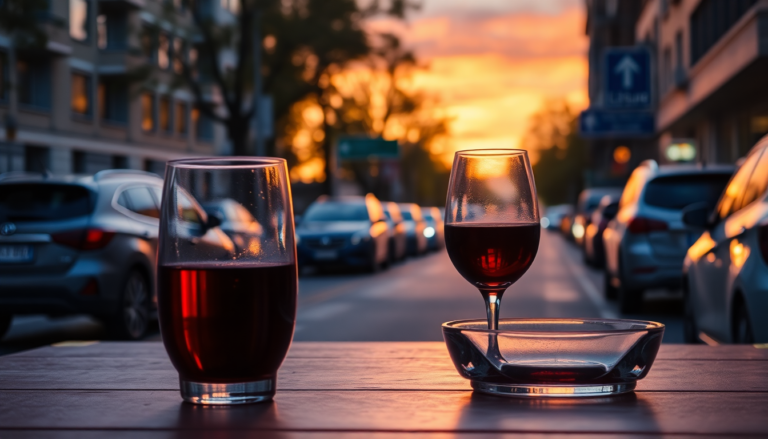
For the first time in over fifty years, England and Wales are seriously contemplating a reduction in the drink-driving limit. This potential change could significantly impact social drinkers. Transport Secretary Heidi Alexander is currently reviewing proposals to lower the limit from 35 micrograms of alcohol per 100ml of breath to just 22 micrograms.
If this goes through, it would align England and Wales with Scotland, which made a similar move back in 2014, and bring them closer to the rest of Europe, where limits are generally much lower.
Understanding the Impact of Lower Drink-Driving Limits
So, what does this really mean for you? Under the proposed new limit, consuming just one pint of beer or a single glass of wine could put you over the legal threshold. This dramatic shift raises some important questions about how alcohol consumption affects our ability to drive safely.
After all, the way our bodies metabolize alcohol can vary widely based on factors like weight, age, gender, and overall health.
Typically, your body breaks down about one unit of alcohol per hour. But keep in mind, this can change depending on various factors, including the type of alcohol you drink and whether you’ve had food. For instance, a large glass of wine (around 250ml) could take roughly three hours to metabolize, while a weaker pint of beer might require about two hours. Understanding these timelines is crucial for making informed choices about your driving after drinking.
Guidelines and Penalties Associated with Drink-Driving
According to the NHS, while drinking water or having breakfast might help you feel sober, they won’t speed up the process of alcohol leaving your bloodstream. So, if you’ve been drinking, it’s wise to think carefully about the time it takes for alcohol to clear your system before getting behind the wheel.
If you’re caught drink-driving under the current or proposed laws, the consequences can be severe. The minimum penalty can include a driving ban for at least twelve months, potential imprisonment for up to six months, or fines that could reach as high as £5,000. These penalties highlight just how seriously authorities take drink-driving offenses.
Public Response and Future Considerations
As these proposals are under review, opinions in the public sphere are mixed. Some are pushing for stricter limits to boost road safety, while others believe that personal responsibility and better education about alcohol consumption are more effective solutions. In the coming months, expect to see intense discussions and consultations as stakeholders weigh the possible benefits against the implications for social drinking culture.
UPDATE AT [time]: The review and decision-making process is ongoing, with authorities expected to release more details in the coming weeks. It’s essential for drivers to stay informed about any changes that could affect them.
