

In a world where hope seems like a fleeting dream, the people of Gaza navigate a harsh reality filled with broken promises.
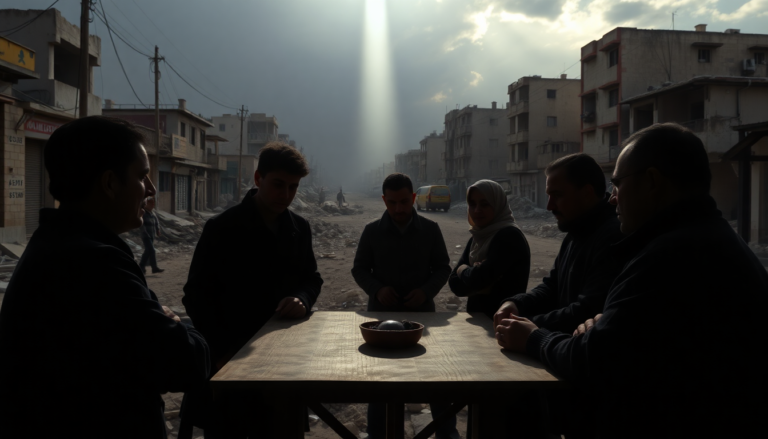
Have you ever felt that flicker of hope, only to have it snatched away? That’s exactly what life feels like in Gaza right now. I woke up one July morning to my phone buzzing with messages, each one filled with cautious optimism.
News outlets and social media were alive with headlines proclaiming, “Negotiations progressing well,” and “Truce imminent.” But as we stood on the brink of hunger, those words felt like a cruel tease. 💔
Rising Hopes and Crushing Realities
Can you imagine the mix of joy and anxiety? For days, we had been living with empty stomachs.
The thought that maybe—just maybe—there would be bread on our tables again lit a fire in our hearts. Friends texted me, their messages laced with relief, asking if this could really be the end of our suffering. We dared to dream about the taste of warm bread, the comfort of a full meal, and the peace that would come with a ceasefire.
Some shops even dared to reopen, and prices dipped slightly. For a moment, it felt like life was returning to our streets.
But how quickly dreams can crumble! By the next morning, everything flipped upside down. The headlines shifted dramatically: “Negotiations fail. No truce.” Just like that, our fleeting joy was extinguished. Those shops that had just started to welcome customers closed their doors again, flour vanished, and prices skyrocketed. While the media outside spoke of aid convoys supposedly on their way, the reality was starkly different—empty words, empty trucks, and empty hands. 😔
The Cycle of Hope and Despair
Who else feels this gut-wrenching cycle? It’s heartbreaking to see the spirit of a people crushed by dreams of just bread. I think about my neighbor, a war widow raising seven children alone, including an infant crying from hunger. When whispers of a truce spread, she dreamed of a day when her children could eat without fear. Yet, like all of us, she watched our hopes dissolve again.
This wasn’t the first time we faced this harsh reality. We’ve been through this cycle so many times. Last week, we found ourselves anxiously waiting for a single word from Israeli Prime Minister Benjamin Netanyahu after Hamas allegedly accepted a ceasefire proposal. The silence was deafening. It felt unbearable as the Israeli government laid down impossible demands, effectively killing our latest glimmer of hope. And just like that, we were thrust back into despair, grappling with hunger, loss, and grief.
These repeated ceasefire headlines seem intentional to me—like another form of punishment for the people of Gaza. We’re bombed, displaced, starved, and then the news feels like the final blow. Hope is dangled in front of us, only to be ripped away, leaving us feeling weaker each time. It’s a systematic policy designed to strip us of our basic human right to hope. This cycle—where hope is raised only to be shattered—leaves scars deeper than starvation ever could.
The Weight of Hunger and Silence
As we wait for news that often never comes, hunger tightens its grip. Walk outside, and you see it etched on the faces of our community—men in tears, women collapsing from exhaustion, children who are too weak to play. Hunger isn’t just a physical state; it’s a heavy weight that crushes the soul. It’s hard for mothers to even think about meal planning when they can’t promise their children anything. 🥺
Children here learn early that good news often turns sour by morning. Families sell their last possessions when aid is announced, only to be left with nothing when it doesn’t materialize. This devastation breeds more than distrust; it erodes the very concept of hope. Many of us no longer ask, “When will this end?” but instead, “How much worse can it get?”
The World Food Programme reports that 100% of people in Gaza now face acute food insecurity, and all children under five are experiencing acute malnutrition. Famine has been officially declared. Meanwhile, Israel insists that its blockade measures are meant to prevent supplies from reaching Hamas, despite claims from its own allies that there’s no evidence of aid being looted.
Amnesty International has labeled the Israeli siege of Gaza as “collective punishment” and “a war crime.” The Geneva Conventions explicitly prohibit such actions, emphasizing that the world must not stand by while these injustices unfold.
So, I can’t help but wonder: Where is the world in all of this? How can we allow two million people to be starved, bombed, and stripped of dignity without any action? This silence is heavy, crushing our spirit just like hunger does. It tells us that our suffering is acceptable, that our lives can fade away without consequence. 🌍
History will remember those who committed these atrocities, but it will also condemn those who stood by and did nothing. The question remains: How long can we endure this cycle of hope and despair? 🤔
