

Are your nightmares more than just bad dreams? Let's dive into their meanings and how they relate to your health.
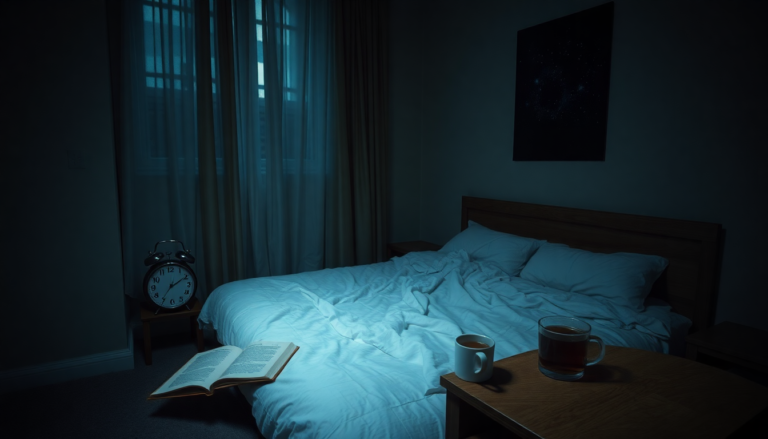
Have you ever woken up in a cold sweat after dreaming about being chased by a monster or losing all your teeth? 😱 You’re definitely not alone! Nightmares are a common experience, and more and more researchers are diving into their deeper meanings and connections to our health.
Let’s explore what these vivid dreams could really be telling us about our well-being! 💬
Understanding the Nightmare Phenomenon
Okay, but can we talk about how, according to the American Academy of Sleep Medicine, about 4% of adults—roughly two million in the UK—struggle with nightmare disorder? 🤯 This isn’t just about occasional spooky dreams; it’s a serious sleep disorder that involves frequent, distressing nightmares that can disrupt sleep and lead to anxiety.
It’s like your mind is throwing a party while your body is desperately trying to rest!
Dr. Abidemi Otaiku, a neuroscientist at Imperial College London, tells us that our understanding of nightmares has evolved significantly. While they were once thought to be mere symptoms of other issues like PTSD or anxiety, researchers now recognize that some individuals can be diagnosed specifically with nightmare disorder.
How wild is that?
But here’s a plot twist: frequent nightmares might serve as indicators of underlying health problems. A recent study revealed that those who experience weekly nightmares are three times more likely to face premature death compared to those who rarely have them. That’s a serious red flag! 🚩
The Link Between Nightmares and Health
Even though it’s becoming clearer that nightmares are more than just bad dreams, many people—patients and doctors alike—don’t fully appreciate their significance. Dr. Justin Havens, an expert in nightmares, points out that few patients approach their GP about this issue, often believing that nothing can be done about it. But what if I told you there is hope? 🌈
Enter imagery rehearsal therapy (IRT). This little-known therapy involves reimagining your nightmare with a happy ending, transforming those terrifying dreams into something more manageable. It’s like flipping the script on your subconscious! 🧠✨
So, why do we dream in the first place? Normal dreams are thought to help us process emotions, but nightmares indicate that something has gone awry in that process. During REM sleep, when most dreaming occurs, our brain’s ability to manage emotions might be impaired, creating a breeding ground for nightmares. Who else has had that feeling of being jolted awake from a heavy nightmare? 🙋♀️
What Causes These Nightmares?
Interestingly, certain genes and personality traits can make individuals more prone to nightmares. Traits like neuroticism or excessive worrying are linked to an increased risk of experiencing these distressing dreams. Bryony Sheaves, a clinical psychologist, suggests that a worry-centric mindset could increase the chances of having nightmares, affecting the structure and quality of sleep. Talk about a double whammy! 😩
Diet also plays a surprising role in our dream life. A study involving students found that certain foods, particularly dairy, influenced dream quality. This might be due to lactose intolerance disrupting sleep, which in turn affects dreams. Who knew your late-night snack could be a nightmare culprit? 🍕😳
Understanding why nightmares occur is crucial, as they can significantly impact our health. Poor sleep is linked to various health issues, including cardiovascular problems, type 2 diabetes, and cognitive decline. So, if you’re waking up frequently from nightmares, it might be time to pay attention!
The Future of Nightmare Management
As research continues, scientists are discovering that nightmares can even signal early onset of conditions like dementia or Parkinson’s disease. Dr. Otaiku emphasizes that recognizing nightmares as potential early signs can help with diagnosis and treatment. Early intervention is key, right? 🗝️
Fortunately, there are strategies to help reduce nightmares. Alongside good sleep hygiene—like maintaining a regular sleep schedule and minimizing screen time before bed—imagery rehearsal therapy shows promise as a more targeted approach for those with nightmare disorder. It’s all about taking control of your dreams and reclaiming your sleep! 💪🌙
Innovative technologies like the NightWare watch, which tracks movement and heart rate during sleep, are also on the horizon. This device vibrates during nightmares, helping to gently guide the wearer out of distressing dreams without waking them fully. How cool is that? It’s like having a sleep buddy looking out for you! 👀✨
In conclusion, nightmares can be a window into our health and well-being. They’re not just fleeting moments of fear but rather significant signals from our subconscious. By understanding their implications and exploring coping strategies, we can transform our sleep from a battleground into a safe haven. So, let’s start the conversation—what’s the craziest nightmare you’ve ever had? Share your thoughts below! 👇💭
