

Curious about the impact of music and revolution on freedom? Let's dive into these captivating stories!
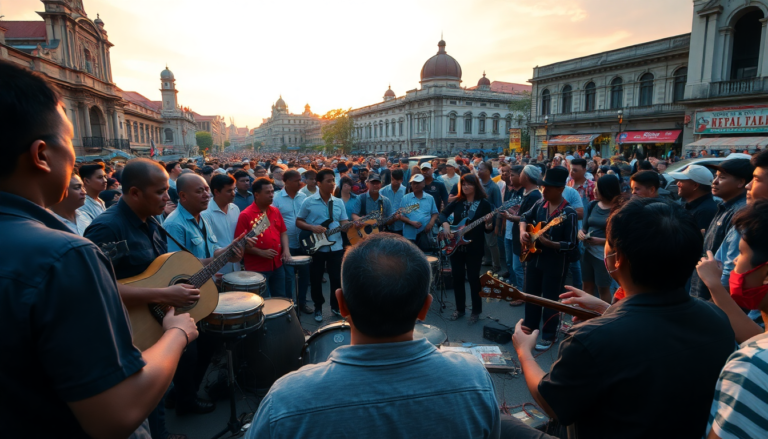
Hey there! 🌍✨ Have you ever thought about how music and revolution intersect in the quest for freedom? It’s such a fascinating topic! Today, we’re unpacking some powerful narratives that reveal this connection. From the bustling streets of Indonesia to the resilient spirit of Palestine, these stories resonate across borders and cultures.
So, grab your headphones, and let’s dive in!
Indonesia: The Voice of Freedom
Indonesia’s journey towards freedom is a tale that intertwines the struggles of its people with the vibrant sounds of their music. The rich tapestry of Indonesian culture has long served as a platform for expressing dissent and hope.
Through songs that echo the aspirations and grievances of the people, musicians have played a pivotal role in voicing the collective dream of independence. Who else feels that music can be a powerful form of protest? 🎶💪
During the fight for independence, both traditional and modern genres became the soundtrack of resistance.
These melodies weren’t just entertainment; they were calls to action—rallying cries that united the masses. The evolution of these sounds reflects the changing political landscape, making it a fascinating study in how art influences and mirrors societal shifts. Can you imagine the energy of those moments?
Ali Shariati and the Iranian Revolution
Now, let’s talk about the Iranian Revolution and the incredible impact of intellectuals like Ali Shariati. His writings and ideologies inspired a generation searching for identity and purpose amidst chaos. Shariati’s blend of Islamic thought with revolutionary zeal sparked important conversations and mobilized movements. It’s amazing to think how ideas can ignite revolutions, right? 🔥
Shariati’s vision extended beyond mere political change; it encompassed a cultural renaissance aimed at reclaiming Iranian identity. His influence showcases the power of thought in shaping history, and his legacy continues to inspire activists today. This is giving me serious vibes of how literature can be just as impactful as music in the fight for freedom. How do you think these ideas resonate with today’s movements?
Musical Icons and Their Cultural Impact
Let’s take a moment to appreciate the musical icons who have emerged from the shadows of conflict and oppression. From the heart-wrenching ballads of Palestinian artists to the revolutionary anthems echoing in the Golan, these musicians tell stories of resilience and hope. Their lyrics speak volumes about love and war, capturing the essence of the human experience during turbulent times. Who hasn’t felt moved by a powerful song?
For instance, the sounds of Elias Rahbani, a Lebanese musical icon, have transcended borders, blending various styles and cultural influences. His work not only showcases his heritage but also promotes a message of peace and unity—something we desperately need in today’s world. Unpopular opinion: music is the ultimate language that connects us all! 🎤❤️
As we explore these narratives, it’s essential to remember that each song and story carries a history that deserves to be heard. Whether it’s the struggle for Palestine or the sounds of war and love, these voices remind us of the power of art in the face of adversity.
So, what do you think? How do you see the relationship between music and social movements? Let’s chat in the comments! 💬
