

Nigel Farage's announcement of a new immigration policy has created a stir, particularly regarding the fate of women and children arriving illegally in the UK.
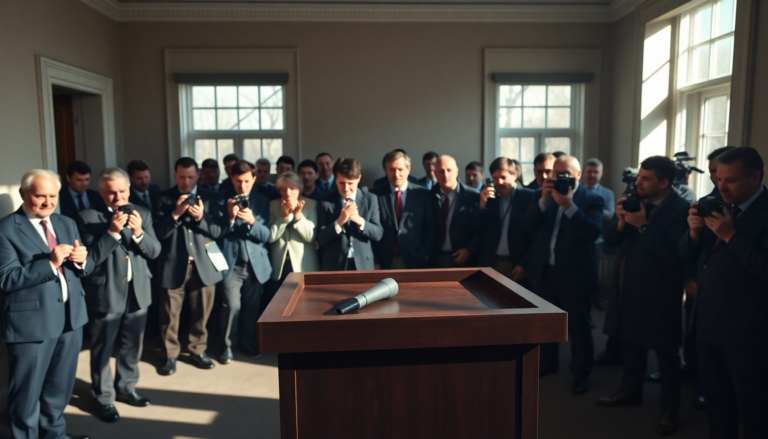
In a controversial press conference, Nigel Farage, the leader of Reform UK, has made headlines with his tough stance on immigration. He announced plans that involve the deportation of women and children who arrive illegally in the UK. This bold declaration has sparked significant backlash and confusion, leaving many to wonder about the details and implications of this proposed policy.
What’s the Proposed Policy All About?
During a press conference on Tuesday, Farage laid out a stark policy: anyone arriving in the UK illegally would face detention and deportation. This includes individuals already in the country without the right to stay.
When questioned about the fate of women and children under this plan, Farage initially confirmed their inclusion, asserting, “Yes, women and children, everybody on arrival, will be detained.” Sounds pretty straightforward, right?
But just a day later, things took a turn.
Farage appeared to roll back his earlier statements, declaring that reports from the previous day were “wrong, wrong, wrong.” He claimed the party wasn’t even discussing women and children at this stage. This sudden shift has only fueled confusion and criticism regarding the party’s actual position on immigration.
In a subsequent clarification, Farage acknowledged the complexity of deporting children, remarking, “Deporting children is a very difficult thing to do. Who do they go to, what are the wards of care?” He emphasized that while single women arriving illegally would be detained, those with children would be treated differently. However, he didn’t elaborate on what that treatment might entail.
Political Reactions: What Are They Saying?
The response to Farage’s immigration policy has been intensely divided. Refugee organizations and various politicians are speaking out against the proposed deportations, particularly concerning women and children. Steve Smith, the chief executive of Care4Calais, voiced his concerns over the treatment of vulnerable individuals, stating that the public largely does not support placing women and children in detention centers where their safety is at risk.
Liberal Democrat deputy leader Daisy Cooper went further, labeling the proposal a “Taliban tribute.” She argued that it would misuse taxpayer money to persecute vulnerable Afghan women and children. The inconsistency in Farage’s statements has raised eyebrows, with a Lib Dem spokesperson suggesting he hasn’t fully considered the ramifications of his own proposals.
Meanwhile, Labour Party representatives are honing in on the practicality of these plans. They expressed worry about the potential for the government to seek return agreements with authoritarian regimes, which could infringe on human rights standards. Cabinet Office minister Nick Thomas-Symonds has notably refrained from criticizing Farage’s inflammatory language, hinting at a reluctance within the government to tackle the controversial remarks made by the Reform UK leader.
A Quick Look at the Timeline of Events
Here’s a brief timeline to keep you in the loop on the key events surrounding Farage’s immigration policy announcement:
- Tuesday: Farage announces plans to detain and deport anyone arriving illegally, including women and children.
- Wednesday: Farage backtracks, claiming reports from the previous day were inaccurate and that women and children are not currently part of the plan.
- Wednesday: Criticism from various political figures and organizations begins to mount.
As the political landscape shifts and evolves, it remains to be seen how these proposals will be received and put into action. The ongoing debate underscores the complexities surrounding immigration policy and highlights the diverse opinions on how best to support those seeking refuge in the UK. What do you think? Is there a better way to approach immigration?
