

After 128 years, France returns skulls taken during colonialism, including one believed to belong to King Toera. What does this mean for Madagascar?
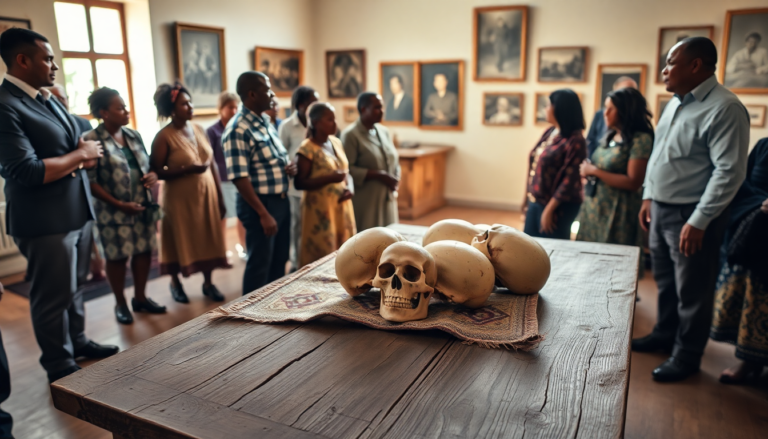
Hey there! Have you heard about the recent return of human skulls from France to Madagascar? It’s a huge deal, and it’s stirring up quite a conversation. This isn’t just about returning bones; it’s about acknowledging a painful history and taking steps toward healing.
Let’s dig into the details! 🧠✨
The Return of the Skulls: A Brief Background
Okay, but can we talk about how France has officially handed back three human skulls to Madagascar? One of them is believed to belong to King Toera, a Madagascan king who was tragically beheaded by French colonial forces in 1897.
Can you even imagine being part of a history that involves such violence and loss? 😟
The handover took place at the French Ministry of Culture in a ceremony that was both solemn and significant. French Minister of Culture, Rachida Dati, acknowledged that these skulls were taken under circumstances that violated human dignity.
This moment is not just a formality; it’s a symbolic act aimed at healing the wounds of colonial history.
King Toera’s skull was taken back to France as a trophy, a grim reminder of the colonial era’s brutality. The return of these remains is hitting home in Madagascar, where the scars of colonization are still fresh in many minds. Volamiranty Donna Mara, Madagascar’s Minister of Culture, shared that the taking of these skulls has been an open wound for over a century. Who else feels that this kind of acknowledgment is long overdue? 🤔💔
The Historical Context
To really understand the significance of this return, let’s talk about the historical context. France colonized Madagascar for more than 60 years, and the impact of that period is still evident today. While the island nation gained independence in 1960, the shadows of colonial rule linger on. This moment is crucial for addressing those past injustices.
During the ceremony, it was highlighted that this return marks the first restitution of human remains since a new French law was passed in 2023 allowing such actions. It’s a positive step toward rectifying historical wrongs, but it raises questions about how many other artifacts are still out there, waiting to be returned. What do you think? Should more countries step up and return what was taken? 🌏✨
The joint scientific committee confirmed that the skulls are from the Sakalava people, though they could only assume that one truly belonged to King Toera. But you know what? This uncertainty doesn’t lessen the emotional weight of the return. It’s about recognizing the humanity behind these remains and the stories they carry.
Looking Ahead: What’s Next for Madagascar?
As the skulls make their way back to Madagascar, there’s a plan to honor these remains. Minister Mara mentioned that a tribute will coincide with the anniversary of King Toera’s execution later this year. This gesture is about more than just burial; it’s about reconnecting with the past and healing as a community.
It’s fascinating (and a bit heartbreaking) to see how these artifacts serve as links between the past and the present. They are not mere collectors’ items; they represent a painful history and a shared identity. The return of these skulls is a powerful reminder of the importance of acknowledging history and the impact of colonialism on contemporary society.
As we reflect on this event, it raises questions about how we, as a global community, can support nations in reclaiming their heritage. France’s act of returning these skulls is a start, but there’s so much more work to be done. What are your thoughts on this? How can we promote awareness and support for similar causes? Let’s talk about it! 💬
