

Join the conversation on how joint military exercises are reshaping defense strategies in contested maritime territories.
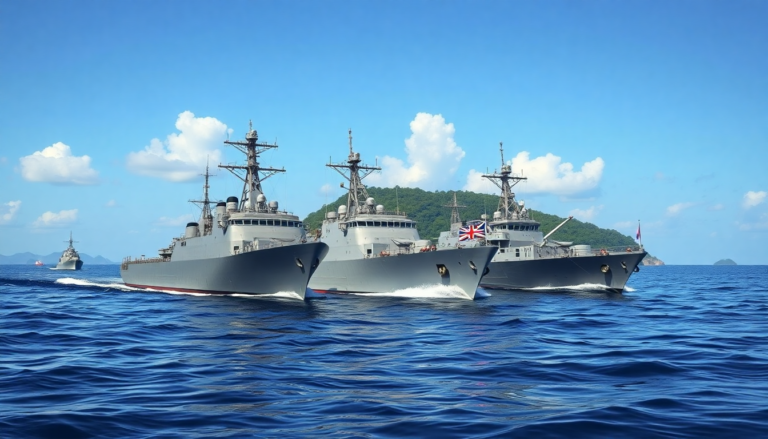
Hey there! 🌊 Have you heard about the recent joint exercises happening in the South China Sea? This isn’t just another military drill; it’s a vital move by the Philippines, Australia, and Canada to stand united amidst rising tensions with China.
Let’s dive into what went down and why it matters so much!
Joint Exercises: A Show of Strength
So, picture this: three warships from the Philippines, Australia, and Canada sailing together near the Scarborough Shoal, a hotspot for maritime disputes.
🚢💨 These drills weren’t just for show; they focused on countering aerial threats through coordinated air defense strategies. The Philippine Navy emphasized that this collaboration strengthens their commitment to working with ‘like-minded nations’—basically, allies who share similar values regarding security and sovereignty.
These exercises were part of a broader initiative, dubbed Exercise ALON 2025, which has seen over 3,600 military personnel engaging in 15 days of live-fire drills. This is giving me major ‘teamwork makes the dream work’ vibes! 💪✨ What do you think about nations coming together like this? Is it a necessary step for global security?
The Scarborough Shoal: A Contested Territory
Now, let’s talk about the Scarborough Shoal. This area isn’t just a random spot on the map; it’s a major flashpoint for tensions between the Philippines and China. Both nations claim it, and the stakes are high, especially with other countries like Vietnam and Malaysia also having overlapping claims. 🌏
China has been vocal about defending its claims over the shoal, warning that its naval forces will act if necessary. Just recently, there was an incident where a Chinese navy ship collided with a coastguard vessel while trying to block a Philippine coastguard vessel. Talk about a tense situation! 😬 Who else thinks we’re living in a real-life geopolitical thriller?
The Bigger Picture: International Law and Sovereignty
Interestingly, a landmark ruling in 2016 from the Permanent Court of Arbitration in The Hague rejected China’s sweeping claims in the South China Sea. However, it didn’t settle the sovereignty issue over specific features like the Scarborough Shoal. Unpopular opinion: I think it’s crucial for countries to respect international law and cooperate on fishing rights in these contested waters.
Despite the ruling, China continues to assert its claims, backed by a formidable naval presence. The ongoing military exercises by the Philippines and its allies send a clear message: they’re not backing down. 🌟 So, what’s your take? Is collective defense the key to maintaining peace in such volatile regions?
As we watch these developments unfold, it’s clear that the collaboration between the Philippines, Australia, and Canada goes beyond military strategy; it’s about solidarity in the face of challenges. Let’s keep the conversation going! What are your thoughts on international military cooperation? Drop your comments below! 👇💬
