

New proposals could change the landscape for international students in the U.S. Will these changes affect your education plans?
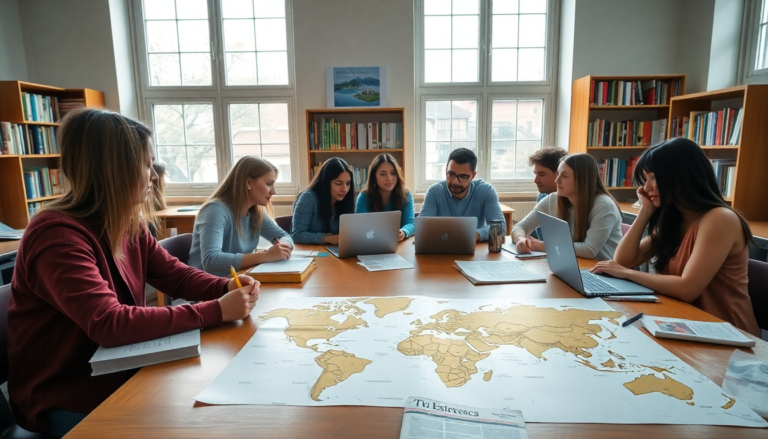
Hey friends! Okay, but can we talk about something that’s been stirring up quite the conversation lately? It’s the proposed changes to student visas in the U.S.! If you’re an international student or know someone who is, these updates are super relevant and might even impact your academic journey.
So, grab your coffee ☕ and let’s dive in!
What’s the deal with the proposed changes?
So, here’s the scoop: the Trump administration wants to limit student and cultural exchange visas to a four-year period. Yup, you heard that right! This means that F visas (for students) and J visas (for cultural exchange) would now only be valid for four years.
And get this— I visas for journalists could be capped at just 240 days! 😳
Why the sudden shift? According to the Department of Homeland Security (DHS), this move is all about tackling what they call “visa abuse.” They argue that foreign students have been taking advantage of the system and overstaying their visas.
Who else thinks this is a bit harsh? 🙋♀️
Think about it: while four years works for most undergraduate programs, many PhD and graduate degrees can stretch way longer. Plus, life happens! Research opportunities, changing majors, or personal circumstances can all throw a wrench in your plans. And let’s not forget, international students play a huge role in funding U.S. higher education by paying those higher tuition fees. It’s a win-win if you ask me!
What’s happening behind the scenes?
Now, here’s where it gets a bit tricky. The administration has already suspended student visa applications earlier this year, which caused a lot of chaos. When things resumed in June, they hinted at increased scrutiny of social media during applications. Can you imagine having to worry about your Instagram posts affecting your visa? 😬
There have been reports of thousands of visas being revoked, especially for students involved in political activism. For instance, a Turkish PhD student, Rumeysa Ozturk, faced deportation after she wrote an op-ed calling for her university to sever ties with Israel amid the Gaza crisis. This case highlights how political views can have real consequences for students abroad.
The implications for future students
With all these changes, many students are understandably anxious. The new four-year limit could make studying in the U.S. less appealing for prospective students. This is giving me serious “stay or go” vibes. Should international students rethink their plans? 🤔
Moreover, the DHS claims that these new caps will encourage visa holders to apply for extensions regularly. But let’s be real: this sounds a bit like a way to keep tabs on foreign students rather than actually supporting their education. It’s a fine balance between ensuring safety and promoting cultural exchange, don’t you think?
At the end of the day, these proposed changes could reshape the educational landscape for many. As we navigate these uncertain waters, let’s keep the conversation going! What do you think about these potential changes? Are they justified, or do they feel a bit too restrictive? Drop your thoughts below! 👇 #StudentVisa #InternationalStudents #Education
