

A TikTok user is on trial for allegedly possessing a video detailing bomb-making techniques, raising concerns about social media's role in facilitating terrorism.
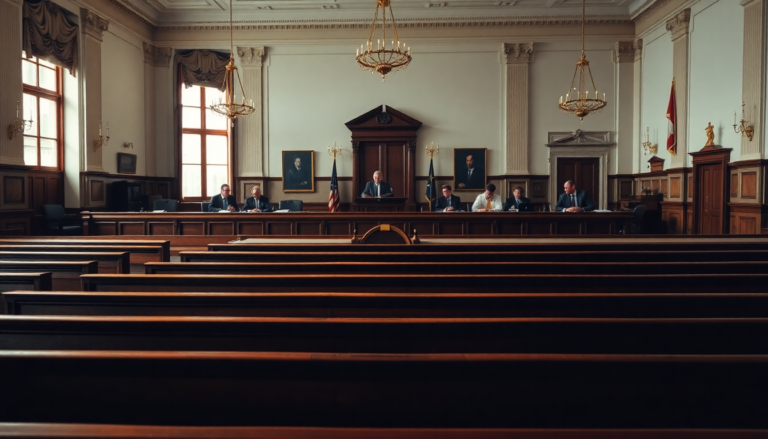
In a case that’s raising eyebrows across social media, a 20-year-old TikTok user named Adam Mahmood is currently on trial for allegedly possessing a video that teaches how to create an improvised explosive device. This situation has come to light as part of a larger investigation into online content related to terrorism.
With over 27,000 followers on TikTok, Mahmood now faces serious accusations that could lead to life-altering consequences.
Charges and Allegations
Mahmood, who hails from Birmingham, is vehemently denying the charges against him, particularly the claim that he possessed a video useful for planning or committing an act of terrorism.
The case was presented at the Crown Court by prosecutor Sahil Sinha, who noted that Mahmood claimed he had a “reasonable excuse” for having the controversial video. Authorities discovered this video on his phone during his arrest in April 2024, alongside a collection of weapons found in his bedroom, including knives and sharpeners.
The centerpiece of the prosecution’s case is a startling 14-minute video that offers step-by-step instructions on producing an explosive substance complete with a detonator and shrapnel. The prosecutor argues that this material could indeed be used to create an improvised explosive device, a type of explosive linked to previous terrorist attacks in the UK. It’s a grave situation that raises questions: how much responsibility do social media users bear for the content they share and consume?
Details of the Video and Investigation
The video in question, which is reportedly not in English, was last accessed on March 24, 2024, and was originally created on the Telegram app in October 2023. Sinha made it clear that this is not just harmless content, stating, “What we are not talking about is everyday documents like timetables or maps.” The prosecution’s focus is on whether the video could be deemed useful for someone plotting a terrorist act, rather than proving Mahmood himself is a terrorist.
Adding to the alarming nature of this case, evidence suggests that Mahmood actively sought out the bomb-making video. He reportedly asked another TikTok user to send it to him via Telegram, which underscores his intent and awareness of the dangerous material he was accessing. To make matters worse, investigators also found another video on his phone detailing how Hamas rockets are made, raising even more red flags about the content he was engaging with.
Defense and Context
When questioned by police after his arrest, Mahmood admitted to possessing the weapons found in his home but insisted they were related to his interest in a Turkish drama series about the Ottoman Empire. He categorically denied any intention of using the videos or weapons for terrorist activities. The trial is ongoing, with jurors now faced with the difficult task of unpacking the implications of Mahmood’s actions and the wider context of online content related to terrorism.
UPDATE AT [timestamp]: As the trial unfolds, more evidence is expected to be presented, prompting a deeper examination of social media’s role in the distribution of dangerous materials. How will this shape the future of online content regulation? Only time will tell.
