

Labour MP Perran Moon asserts Cornish pride in the Commons, pushing for recognition in devolution discussions.
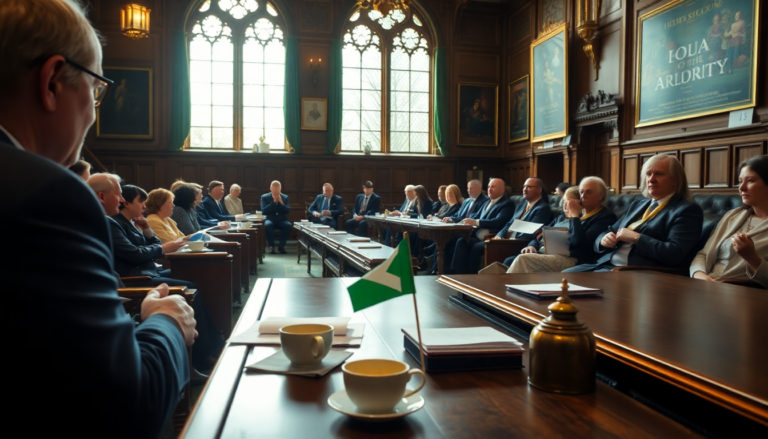
In a passionate address to the House of Commons, Labour MP Perran Moon made a bold declaration: he identifies as Cornish, not English. This statement sparked a lively discussion about regional identity and autonomy, especially during the second reading of the English Devolution and Community Empowerment Bill.
Moon urged the government to recognize Cornwall’s unique status in its devolution plans. But what does this mean for the future of regional identities in the UK?
Perran Moon speaks out
Perran Moon, who represents Camborne and Redruth, expressed frustration over the mockery he’s faced for his Cornish identity.
“I’m often asked, even by colleagues in this place, as a Cornishman, do I consider myself English?” Moon said, highlighting a sentiment shared by many in Cornwall. “Let me be absolutely clear today, I am Cornish, not English,” he declared, balancing his pride with respect for his English friends.
Isn’t it time we recognized the rich tapestry of identities that make up the UK?
His words weren’t just personal; they were a rallying cry for Cornish people, especially the younger generation. Moon encouraged them to embrace their heritage, saying, “be loud and proud. It’s OK to consider yourself Cornish and British.” This call to action reflects a significant cultural movement advocating for the recognition of Cornish identity within the wider British narrative. How can we support this growing awareness?
Push for devolution and support
As the debate continued, Moon stressed the importance of a devolution arrangement that honors Cornwall’s status as a national minority. He remarked, “During the course of this Bill, I will work with the Government to ensure that this Bill is passed that respects Cornish national minority status.” His dedication shows a proactive stance in making sure Cornwall’s distinct needs and identity are woven into legislative frameworks. What impact could this have on local governance?
Moon also laid out a vision for a devolution deal that would not only foster economic growth but also tackle pressing issues like the housing crisis in Cornwall. “A devolution arrangement that gives us the funding and resources to deal with our crippling housing crisis,” he noted. This focus on practical solutions underscores a broader understanding of Cornwall’s historical context and the contemporary challenges it faces. Why is it essential for regional identities to be part of these discussions?
A centuries-old aspiration
Moon’s remarks tap into a deeper historical narrative—one that speaks to a long-standing desire for greater autonomy and self-governance in Cornwall. “This is a responsibility that weighs not just upon the mind; it goes way, way deeper into our souls,” he explained, capturing the emotional weight of Cornwall’s struggle for recognition within the UK’s political landscape. Isn’t it fascinating how history shapes our current identity?
He urged ministers to seize this “once-in-a-generation opportunity” to enhance Cornwall’s governance and identity. By doing this, Moon envisions a future where Cornwall’s uniqueness is not just acknowledged but celebrated as part of the nation’s fabric. His advocacy echoes a growing movement among the Cornish people, striving to ensure their voices and identities are heard and respected in national conversations. How can we contribute to this important dialogue?
