

What does the future hold for Pakistan and Bangladesh as they navigate their shared history and new opportunities?
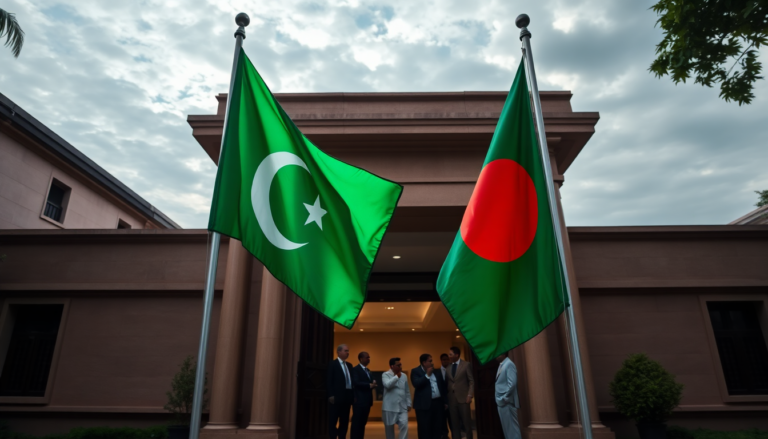
Hey everyone! Let’s dive into the recent developments between Pakistan and Bangladesh. It’s not every day we see a high-ranking Pakistani official visiting Bangladesh after over a decade, right? Foreign Minister Ishaq Dar’s arrival in Dhaka is more than just a visit; it’s a symbol of changing tides in the relationship between these two nations.
🌍✨
The Significance of Ishaq Dar’s Visit
So, picture this: it’s August 23, and the weather in Dhaka is a bit gloomy, but the mood is definitely not! Ishaq Dar, who also wears the hat of Deputy Prime Minister, is in town and he’s all about creating a buzz.
He describes this trip as the dawn of a “new phase” in the partnership between Pakistan and Bangladesh. Isn’t that exciting? 🚀
After years of strained relations, especially after Bangladesh’s independence in 1971, this visit marks a significant thaw. Dar pointed out the progress made recently, emphasizing the need for collaboration between the youth of both countries.
He mentioned cities from Karachi to Dhaka, painting a beautiful picture of unity and shared dreams. But, let’s be real, can these two countries really bury the past? 🤔
Masood Khalid, a former ambassador, suggests that while the new Bangladeshi government has responded positively, there’s still a lot of history complicating things. It’s like trying to mend a friendship that’s been through a lot of ups and downs. He argues that establishing a framework for constructive dialogue is essential. What do you think? Can they really move forward together? 💬
Historical Context and Current Dynamics
The backdrop to this diplomatic dance is rich with history. After the fall of Sheikh Hasina’s government, perceived as pro-India, there’s a renewed interest in rekindling ties. Delwar Hossain, an academic, points out that this could be a strategic move for Pakistan, aiming to restore the camaraderie that existed post-1975. It’s fascinating how regime changes can shift international relations, isn’t it? 🌏
Pakistan and India have a long-standing rivalry, and Bangladesh often finds itself caught in the middle. The historical grievances from the 1971 liberation war still loom large. The recent discussions around shared challenges, like economic growth and regional stability, are crucial. Both nations see the need to balance power in South Asia, especially with China’s growing influence in the region. Is the focus on economic collaboration the way forward? 🤷♀️
Despite the historical baggage, there’s undeniable potential for economic partnerships. Bangladesh is one of the fastest-growing economies in South Asia, while Pakistan seeks to revitalize its trade relations. Can they capitalize on each other’s strengths? Hossain suggests that both countries can benefit immensely from a trade relationship. With a combined population of over 430 million, there’s a market waiting to be tapped! 📈
The Path Ahead: Challenges and Opportunities
As we look to the future, it’s clear there are still hurdles to overcome. The legacy of the 1971 war continues to be a sensitive topic. Bangladesh seeks acknowledgment and reparations, while Pakistan grapples with its own historical narratives. Chaudhry, a former Pakistani foreign secretary, believes that public sentiment is leaning towards reconciliation. Isn’t it heartening to think that people want to move forward? 💖
However, Hossain cautions that the recent political shifts haven’t erased the memories of the past. The path to healing is complex, but dialogue is essential. The question remains: can both nations navigate their historical complexities while building a brighter future? It’s all about balance, right? 🤔
Ultimately, the relationship between Pakistan and Bangladesh is evolving, influenced by both regional dynamics and internal politics. As they engage in dialogue and seek to strengthen economic ties, there’s hope for a partnership that transcends their troubled history. Let’s keep the conversation going! What do you think is the most critical factor in improving ties between these two nations? 🗣️💬
