

As discussions on Iran's nuclear program unfold, Rafael Grossi shares a glimmer of hope. Could an agreement be just around the corner?
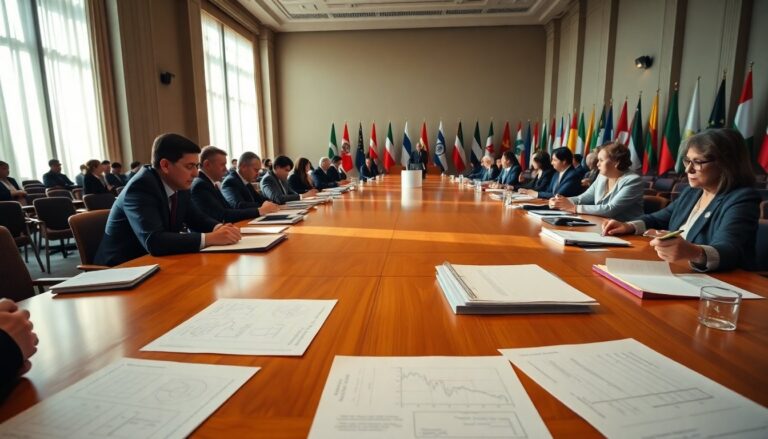
The International Atomic Energy Agency (IAEA) is currently engaged in discussions with Iran regarding nuclear inspections, with signs of potential progress emerging. Rafael Grossi, the head of the IAEA, recently provided insights that warrant attention. This development raises the question: is this a positive step forward?
Progress in Talks, but Time is Ticking
During a recent address to the IAEA Board of Governors in Vienna, Grossi noted some advancement in discussions about resuming inspections at Iran’s nuclear facilities. He expressed cautious optimism, stating, “There is still time, but not much.” The urgency of the situation is palpable.
While Iran permitted IAEA inspectors to enter the country at the end of August, the Iranian Ministry of Foreign Affairs clarified that a comprehensive cooperation agreement remains unestablished. This situation prompts further inquiry: what obstacles are hindering progress? Is it merely a matter of time, or are there deeper issues at play?
Background on Tensions and Inspections
The current tensions can be traced back to a 12-day conflict characterized by airstrikes conducted by Israel and the United States across various Iranian cities and nuclear sites. In response, Iran altered its cooperative approach with the IAEA, expressing frustration over how the agency addressed the situation. Notably, Iran faced censure just prior to the strikes, which contributed to their dissatisfaction.
This scenario resembles a plot twist in a narrative where a protagonist feels betrayed. In the aftermath, Iran enacted legislation mandating that any future inspections of its nuclear sites receive approval from the Supreme National Security Council, complicating the negotiation landscape further. What implications does this law hold for the ongoing negotiations?
What’s Next for the IAEA and Iran?
Grossi has advocated for an agreement allowing the IAEA to inspect the Iranian sites targeted in the recent attacks. However, he also indicated that the agency has not received updates regarding the status of Iran’s highly enriched uranium since the strikes in June. This lack of information raises critical questions: Is the material still present? Could it have been relocated?
Additionally, the three European nations—France, Germany, and the United Kingdom—have initiated a mechanism to reinstate sanctions on Iran, citing insufficient progress in the nuclear program. This development adds a layer of complexity to the diplomatic landscape. What effect will this have on Iran’s willingness to engage in further negotiations?
As this situation continues to evolve, it is essential to consider the potential outcomes. Are the talks trending towards optimism, or is the situation more precarious than it appears? Ongoing dialogue is crucial as this story unfolds.
