

As summer fades, Londoners are encouraged to leave room for spontaneity in their busy schedules.
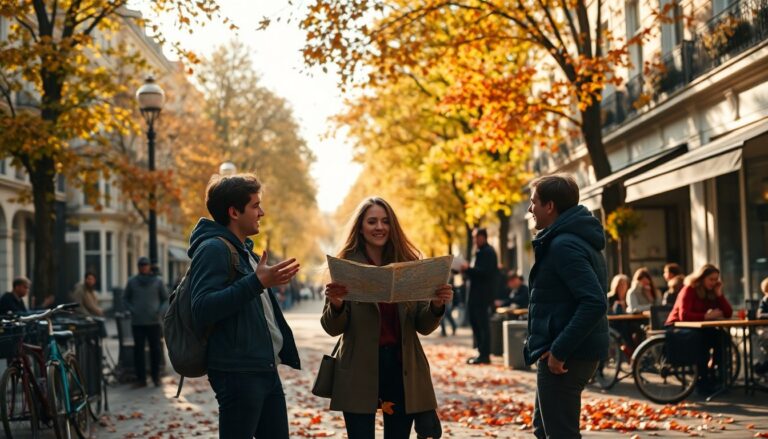
As summer comes to an end, a noticeable change sweeps across London. Residents breathe a sigh of relief as their schedules lighten and spontaneous opportunities arise. While summer in London is vibrant and bustling, it can often feel like a race against time, filled with planned dinners, festivals, and evening outings.
With autumn approaching, there is a growing desire to reclaim the art of spontaneity, a quality that seems to have faded in this fast-paced city.
The Lost Art of Spontaneity
Having lived in various cities worldwide, I have come to appreciate the unique charm of London.
However, one significant drawback remains: our aversion to spontaneous social interactions. During my time in Berlin, I was struck by a friend’s casual approach to planning. When I instinctively reached for my calendar to schedule our next meeting, they simply said, “Just call.” This mindset, common in many places, feels almost revolutionary in London, where social calendars often dictate our lives.
Upon returning home after a nine-month absence, I encountered familiar responses when discussing future meet-ups with friends. “Let me check,” they pondered, “maybe Tuesday in three weeks?” This pervasive need to plan reflects a broader trend in London, where spontaneity has become rare, overshadowed by the necessity of advance bookings.
Indeed, the UK dining scene has shifted dramatically; nearly half of diners now reserve tables a week in advance. This trend complicates our ability to engage in impromptu gatherings. Even casual catch-ups turn into a complex puzzle of coordinating schedules, resulting in lengthy text exchanges as we attempt to align our busy lives.
The Impact of Technology and Social Anxiety
Our reliance on digital communication has further hampered our ability to be spontaneous. A recent study indicates that many young adults experience anxiety around unplanned social encounters. The thought of an unexpected phone call can induce panic. This fear of spontaneity is particularly pronounced among Gen Z, who report significant discomfort with unscripted interactions.
The COVID-19 pandemic has intensified these trends. As social interactions dwindled, every encounter became meticulously organized, leading to a decline in chance meetings that once characterized city life. While we gradually return to normalcy, the habits formed during lockdown appear to linger, continuing the cycle of rigid scheduling.
Moreover, Fridays, once synonymous with after-work socializing, have become the quietest days of the week as people hesitate to venture out. The dynamic atmosphere that once filled the city during spontaneous outings has diminished, replaced by a cautious approach to socializing.
Reclaiming Spontaneity
To revitalize our social lives, we must actively prioritize spontaneity. Keeping evenings open in our calendars should not be viewed as idleness; instead, it is an invitation for unexpected adventures. While some events merit planning, such as that much-anticipated play or restaurant, allowing space for last-minute plans can create some of the best memories.
The essence of a city like London lies in its unpredictability and the excitement of unplanned encounters. Embracing spontaneity can reignite the thrill of unexpected social interactions, whether it’s discovering a hidden café or meeting new friends at a last-minute gathering. As autumn approaches, let us cast aside our reservations and embrace the unknown.
In conclusion, the call to action is clear: it’s time for Londoners to reclaim the joy of spontaneity. Let us break free from the constraints of overplanning and rediscover the exhilarating moments that come from simply saying yes to the unexpected.
