

Explore the rich history and dynamic culture of the United Kingdom.
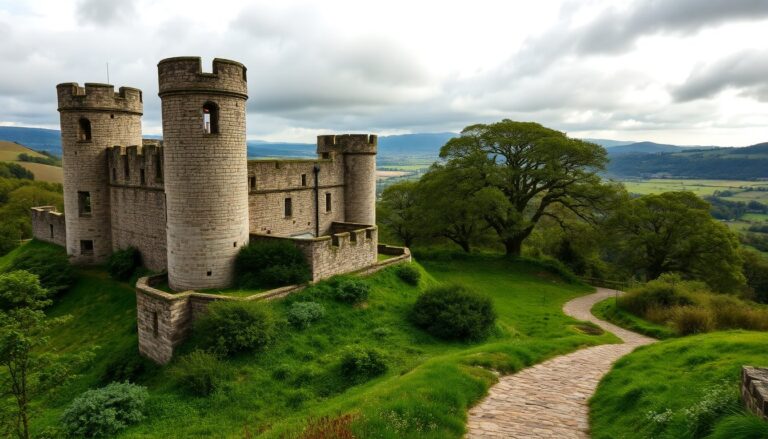
The United Kingdom (UK) is a nation with a rich history, culture, and tradition. Comprising England, Scotland, Wales, and Northern Ireland, the UK has played a pivotal role on the global stage for centuries. Its historical significance is evident in its contributions to politics, literature, and science, making it a fascinating subject for historians and enthusiasts alike.
From the Roman conquest to the Industrial Revolution, the UK has undergone profound transformations that have shaped its identity. Exploring its various facets reveals how the interplay of different regions has created a diverse and vibrant society.
The historical evolution of the United Kingdom
The history of the UK features significant events that have influenced not just the nation but the entire world. The Magna Carta of 1215 is often hailed as a cornerstone of modern democracy, establishing the principle that everyone, including the king, is subject to the law.
The impact of the British Empire
At its zenith, the British Empire was the largest in history, controlling vast territories worldwide. This expansion introduced numerous cultures and ideas to the UK, enriching its cultural diversity. The legacy of colonialism still resonates in contemporary British society, influencing language, cuisine, and more.
As the empire waned in the mid-20th century, the UK faced the challenge of redefining its identity. The post-war period saw the establishment of the National Health Service and decolonization, fundamentally altering the social landscape.
The cultural landscape of the United Kingdom
The UK is renowned for its contributions to the arts, literature, and music. Iconic figures such as William Shakespeare and Charles Dickens have left indelible marks on literature, while the Beatles and Rolling Stones revolutionized the music scene. The cultural renaissance of the 1960s sparked a wave of creativity that continues to influence artists today.
Regional diversity in culture
Culturally, the UK is a patchwork of traditions, languages, and practices. In Scotland, the Highland Games celebrate Gaelic culture, while Wales boasts its own language and traditions, such as St. David’s Day. Northern Ireland’s rich folklore and music add another layer to the UK’s cultural mosaic. Each region contributes unique elements, highlighting the nation’s heterogeneity.
Moreover, cities like London, Edinburgh, and Cardiff serve as cultural hubs, hosting numerous festivals and events throughout the year. The Edinburgh Festival Fringe is the world’s largest arts festival, attracting performers and visitors globally, further enhancing the UK’s reputation as a center of cultural exchange.
Modern influences and challenges
In recent years, the UK has faced challenges that have tested its unity and identity. The Brexit referendum in 2016 marked a significant turning point, sparking debates over sovereignty and immigration that continue to shape political discourse. The decision to leave the European Union has had profound implications for trade, travel, and cultural exchange.
Furthermore, the ongoing effects of the COVID-19 pandemic have prompted a reevaluation of societal norms and values. As the UK navigates these changes, there is a renewed emphasis on community, resilience, and the importance of cultural heritage.
From the Roman conquest to the Industrial Revolution, the UK has undergone profound transformations that have shaped its identity. Exploring its various facets reveals how the interplay of different regions has created a diverse and vibrant society.0
