

Uncover the Hidden Gems of Victorian Architecture in the UK
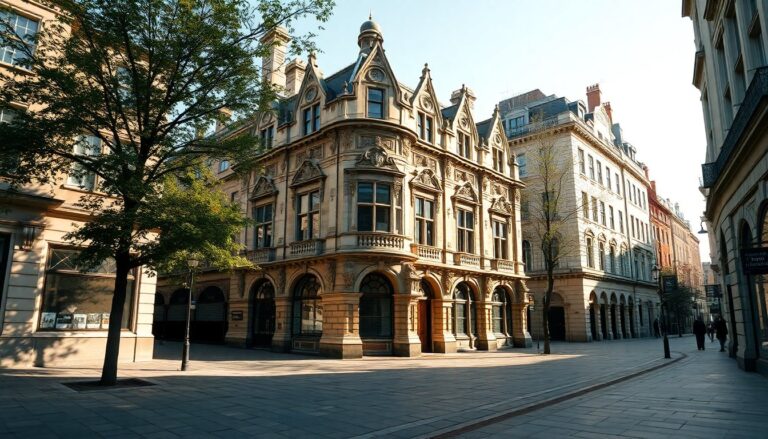
The Victorian era marked a time of significant architectural innovation in the United Kingdom. This period produced some of the country’s most cherished structures, noted for their elaborate designs and intricate details. These buildings have profoundly influenced the nation’s cultural heritage.
However, many architectural masterpieces have been lost due to time, fire, and war. This article explores 15 exceptional Victorian buildings that faced destruction, highlighting their historical importance and the circumstances that led to their downfall.
The impact of destruction on architectural heritage
The history of urban environments is intricately linked to the stories told through their architecture. The destruction of buildings creates a profound loss that resonates across generations. Events such as fires, bombings, and acts of vandalism have not only dismantled physical structures but have also erased significant segments of the UK’s historical narrative.
Each lost Victorian building represents a distinct chapter in this narrative, reflecting the artistry and ambition of its era.
1. The Royal Pavilion, Brighton
Originally designed as a seaside retreat for King George IV, the Royal Pavilion exemplifies an exquisite blend of Indian architecture and Gothic elements. While some parts of the original structure remain, many have been significantly altered due to restoration efforts and neglect. The Pavilion continues to serve as a cultural icon, highlighting the extravagant lifestyle of its royal residents.
The Crystal Palace, London
The Crystal Palace was once home to the Great Exhibition of 1851 and represented an architectural breakthrough with its glass and iron design. Unfortunately, a devastating fire in 1936 destroyed this remarkable structure, marking the end of an era of technological innovation. The loss of the Crystal Palace resonated deeply throughout the nation, symbolizing the end of a significant chapter in architectural history.
The stories behind lost landmarks
The buildings we reflect on today represent more than just their physical forms. They served as gathering places, hubs of innovation, and symbols of their communities. The loss of such landmarks highlights both the vulnerability of architectural achievements and the enduring strength of the human spirit in the face of adversity.
St. Pancras Hotel, London
Once a hallmark of Victorian hospitality, the St. Pancras Hotel was nearly demolished in the 1960s due to years of neglect. Fortunately, it was saved and restored, underscoring the significance of preserving our architectural heritage. Its magnificent façade and elaborate interiors reflect the Victorian dedication to both beauty and functionality.
The Holborn Viaduct, London
The Holborn Viaduct stands as a significant engineering achievement and an iconic symbol of industrial strength. While it has been a vital thoroughfare for over a century, various modifications have diminished its original appeal. This evolution highlights how time and development can transform even the most important landmarks.
Preserving the memory of Victorian architecture
Reflecting on the 15 lost Victorian buildings, their absence is profoundly felt within the UK’s architectural landscape. Each disappearance serves as a poignant reminder of the necessity to protect and value our remaining historical sites. Although the past cannot be restored, there is an opportunity to advocate for preservation and restoration initiatives that celebrate the artistry of the era.
Educating future generations about the significance of architectural treasures is crucial. This knowledge fosters pride in our heritage and encourages a commitment to preserving the narratives embedded in our buildings.
The legacy of Victorian architecture remains vibrant through the memories associated with these remarkable structures. Although many have been lost, their stories continue to evoke admiration and respect for the craftsmanship and vision that defined an era instrumental in shaping the fabric of the UK.
