

Explore the captivating history and rich cultural heritage of the United Kingdom.
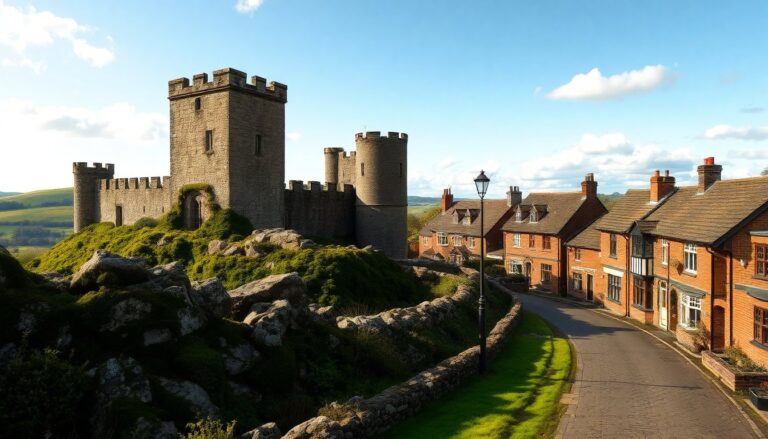
The United Kingdom is a country rich in history and diverse cultures. Its roots can be traced back to the Roman conquest and the medieval period, evolving into a vibrant society that showcases a blend of traditions, languages, and influences.
This article explores the historical milestones and cultural elements that shape the United Kingdom today.
The historical timeline of the United Kingdom
The history of the United Kingdom is intricate and layered. It commenced with the establishment of Roman Britain around 43 AD, during which the Romans introduced new governance, infrastructure, and cultural practices.
Following the fall of the Roman Empire, the UK experienced numerous invasions, notably by the Saxons, Vikings, and Normans. Each group significantly influenced the social structure and governance of the region.
The medieval period
During the medieval period, the UK experienced the emergence of feudalism, a system that organized society into a structured hierarchy of lords, vassals, and serfs.
A landmark event was the signing of the Magna Carta in 1215. This pivotal document limited the power of the monarchy and established the principle that all individuals are subject to the law, laying the groundwork for modern democracy.
The medieval period was also characterized by the Hundred Years’ War, a prolonged conflict between England and France. This war played a crucial role in shaping national identities and territorial claims in both countries. Another significant event was the establishment of the Church of England by Henry VIII in the 16th century, which had far-reaching religious and political implications.
The cultural landscape of the United Kingdom
The cultural identity of the United Kingdom is shaped by its rich history and remarkable diversity. Art, literature, and music are integral to understanding this cultural landscape. Notable figures such as William Shakespeare, Charles Dickens, and The Beatles have profoundly influenced global literature and music. Their contributions illustrate the complex and vibrant tapestry that defines UK culture.
Art and literature
The evolution of UK art spans numerous movements, from the Renaissance to Romanticism and beyond. Renowned institutions like the British Museum and the Tate Gallery feature collections that highlight both historical and contemporary works. The literary scene, often regarded as the birthplace of the English language, remains vibrant, with authors such as J.K. Rowling and Kazuo Ishiguro captivating readers around the world.
The UK’s cultural festivals, including the Edinburgh Festival Fringe and the London Film Festival, draw international audiences, celebrating creativity across diverse genres.
Music and performing arts
The UK boasts a rich musical heritage that encompasses a wide range of genres, from classical to pop. The BBC Proms serves as a prominent platform for classical music, while festivals such as Glastonbury and Reading Festival exemplify the nation’s vibrant festival culture. Moreover, the UK’s influential contributions to rock and pop music have significantly shaped global trends, with iconic bands like The Rolling Stones and Queen achieving international acclaim.
Modern challenges and global influence
The UK faces significant challenges, particularly in the wake of Brexit. This development has sparked discussions surrounding national identity, immigration, and economic sovereignty. Similarly, the COVID-19 pandemic underscored both the resilience of the UK’s public health system and the adaptability of its cultural institutions.
Despite these hurdles, the UK remains a vital force on the global stage. Its influence is evident in international politics, finance, and culture, with London frequently recognized as a global capital. The UK’s ongoing commitment to education, innovation, and research propels advancements across various sectors, reinforcing its status as a leader within the global community.
Understanding the history and culture of the United Kingdom is crucial for recognizing its influence in the contemporary landscape. As the UK forges ahead, its rich traditions and diverse cultural expressions will continue to play a pivotal role in shaping its identity.
