

Rafah Crossing in Gaza Reopens: Limited Patient Exits Underline Urgent Need for Medical Aid The Rafah crossing in Gaza has recently reopened, yet only a small number of patients are able to exit, emphasizing the critical demand for medical assistance in the region.
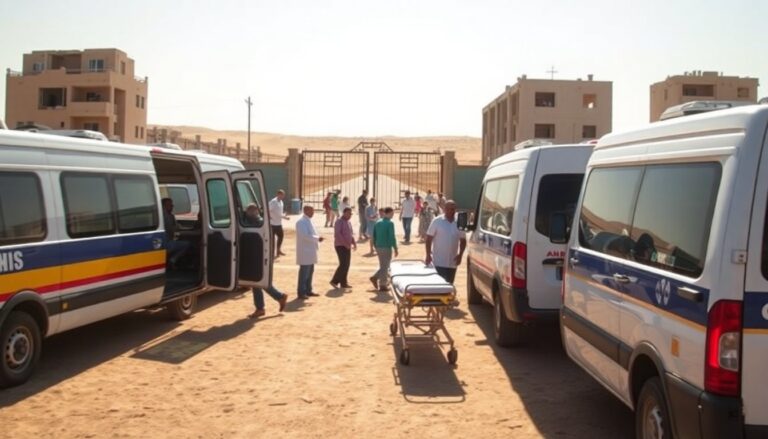
In a significant yet concerning development, the Rafah crossing between Gaza and Egypt has reopened after nearly two years of closure. This crossing is essential for medical evacuations and humanitarian aid, but the situation on the ground remains precarious. On its first day of operation, only five patients were permitted to leave, leaving countless others in distress.
The reopening is part of a United States-supported ceasefire, aimed at alleviating some aspects of the humanitarian crisis in Gaza. However, the limited number of exits and the complex procedures highlight the challenges faced by those in urgent need of medical care.
Initial experiences at the Rafah crossing
Among those fortunate enough to cross was 17-year-old Mohammed Abu Mostafa, who, along with his mother, learned early on that he was eligible for travel. Mohammed’s mother, Randa, expressed a mix of relief and sorrow, as she could only take one child with her, leaving several behind in Gaza.
“My son has been in pain for over a year and a half due to his eye injury,” Randa shared, highlighting the urgency of his need for treatment unavailable in Gaza. While the reopening of the crossing has been viewed positively, the reality of only five patients being allowed to exit starkly contrasts with the approximately 22,000 individuals in need of similar assistance.
Restrictions and regulations
The procedures at Rafah are heavily regulated, with strict security measures in place. Each day, lists of patients are submitted for pre-travel screening by Israeli authorities, and many hopeful candidates are left behind due to stringent checks. The European Union Border Assistance Mission oversees the process, though their role primarily involves monitoring rather than directly facilitating crossings.
On the reopening day, a total of 15 individuals crossed, including companions for the patients, while the number of people waiting to leave remains alarmingly high. Mohammad Abu Salmiya, the director of Gaza’s al-Shifa Medical Complex, lamented the low turnout compared to initial agreements for 50 patients to be evacuated daily.
Desperate circumstances of patients
The emotional toll on families waiting for treatment is profound. Many patients, like Ibrahim Abu Thuraya, who suffered severe injuries during the conflict, expressed anguish at the thought of being left behind. Ibrahim’s wife and son accompanied him, but the road to recovery remains uncertain as he battles ongoing health issues.
“The pain is unbearable and I am in desperate need of help,” Ibrahim stated, reflecting the sentiments of numerous other patients who have faced extensive delays in critical care. This desperation extends beyond those needing to leave; families who fled Gaza are now yearning to return, with around 80,000 displaced individuals hoping to reunite with their loved ones.
Challenges ahead
The situation at Rafah illustrates the broader humanitarian crisis in Gaza. As Israeli authorities impose limitations on movement, the challenges faced by patients seeking necessary medical treatment continue to grow. The urgency of these needs cannot be overstated; the humanitarian landscape is fraught with complications and restrictions.
While the reopening of Rafah may offer a glimmer of hope, the reality for thousands remains grim. The ongoing conflict has inflicted deep wounds on the population, and the path to recovery is filled with obstacles. Health authorities in Gaza remain vigilant, hoping for expanded access that would enable more patients to seek the treatment they urgently need.
