

Research on the Impact of Late-Night Social Media Use on Mental Health Conducted an in-depth analysis of how late-night engagement with social media platforms influences mental health outcomes. Assessed factors such as sleep quality, anxiety, and depression associated with nighttime social media activity. Utilized quantitative and qualitative research methods to gather data and draw meaningful conclusions. Contributed to the understanding of digital behavior and its implications for mental...
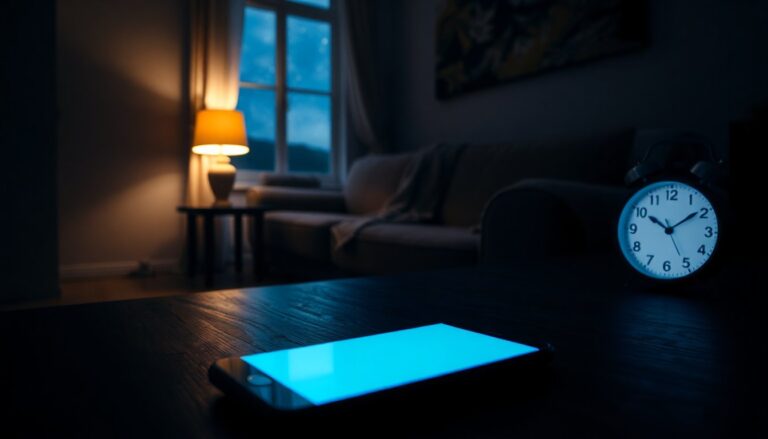
A recent study examines the consequences of late-night social media usage. Researchers discovered that individuals engaging with platforms like X, previously known as Twitter, during the early morning hours are more likely to face mental health challenges. This finding contributes to the ongoing discourse regarding the impact of social media on psychological wellbeing.
Unlike many previous studies focusing solely on the frequency of social media use, this research explores the timing of such engagement. By analyzing user behavior on X, researchers aimed to understand the specific effects of nighttime activity on mental health outcomes.
Investigating nighttime social media usage
The research team employed data from the Children of the 90s study, officially known as the Avon Longitudinal Study of Children and Parents. This extensive long-term study has been monitoring the health and wellbeing of individuals from the west of England, providing a valuable context for the current investigation.
A total of 310 participants were selected based on their tweeting patterns and responses to wellbeing questionnaires. The study analyzed 18,288 tweets sent between January 2008 and February 2023, prior to the platform’s rebranding.
Key findings on mental wellbeing
The analysis revealed a significant trend: individuals who tweeted between the hours of 11 PM and 5 AM exhibited markedly poorer mental wellbeing compared to those engaging during daytime hours. Nighttime tweeting accounted for nearly 2% of the variations observed in mental health status.
Furthermore, a connection emerged between late-night tweeting and increased symptoms of anxiety and depression, although this relationship was less pronounced than that with overall mental wellbeing. These findings underscore the importance of considering not only the frequency of social media use but also the specific times at which it occurs.
Understanding the implications of nighttime engagement
The researchers identified several factors contributing to these negative outcomes. A primary concern is the potential for nighttime social media use to disrupt essential sleep patterns. Staying awake to post or scroll can lead to disrupted sleep cycles, which are vital for maintaining good mental health.
Additionally, the blue light emitted from smartphone screens is known to inhibit the production of melatonin, a hormone that regulates sleep. The combination of cognitive engagement from social media and reduced melatonin levels may result in poorer sleep quality and quantity, further exacerbating mental health issues.
The need for targeted interventions
According to Daniel Joinson, the lead author of the study and a doctoral researcher at the University of Bristol, it is crucial to recognize that social media’s impact is not uniform. The effects on mental health can vary significantly based on individual behaviors and experiences on these platforms.
Joinson emphasized that their research highlights a detrimental behavior—posting on social media at night. Such insights could inform the development of interventions or policies aimed at reducing harmful social media practices while promoting more beneficial engagements.
Unlike many previous studies focusing solely on the frequency of social media use, this research explores the timing of such engagement. By analyzing user behavior on X, researchers aimed to understand the specific effects of nighttime activity on mental health outcomes.0
