

Explore the intricate dynamics of the UK's political landscape and its implications for the future.
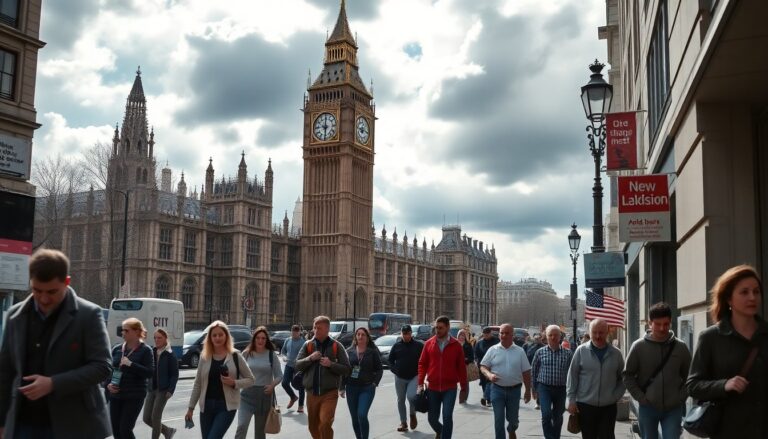
The United Kingdom has long been a focal point of political discourse, both domestically and globally. Understanding the factors driving change in this historically rich nation is essential. Elements such as Brexit and economic challenges significantly influence the political climate, reshaping government policies and public sentiment.
In recent years, the UK has experienced unprecedented shifts that have left a lasting impact on its political framework. The Brexit referendum of 2016 marked a significant turning point, leading to a series of political ramifications that continue to unfold.
This article explores the current dynamics of UK politics, focusing on key events, the roles of political parties, and the implications of recent developments.
The impact of Brexit on UK politics
Brexit has been a critical factor in shaping the modern political landscape of the UK.
The decision to leave the European Union has influenced not only trade agreements but also domestic policies and party dynamics. The fallout from this momentous decision has prompted a reevaluation of the United Kingdom’s identity and its relationship with Europe and the wider world.
Political party realignment
Following Brexit, traditional political alignments in the UK have shifted significantly. The Conservative Party, initially divided over the issue, has consolidated power under leaders who strongly support leaving the EU. This change has resulted in a more nationalist agenda, focusing on sovereignty and immigration control.
Conversely, the Labour Party has struggled to regain its footing amid internal divisions regarding Brexit policies. The leadership attempts to navigate a complex landscape, balancing the desires of its traditional base with the need to appeal to a broader electorate. Consequently, the party’s identity is in flux, with various factions advocating for differing approaches to Brexit and its aftermath.
Economic factors influencing political decisions
The economic ramifications of Brexit have inevitably influenced political decision-making in the UK. Uncertainty surrounding trade deals and economic forecasts has intensified scrutiny of government policies. The cost of living crisis has become a pressing concern for many citizens, prompting debates over taxation, welfare, and public services.
The role of public sentiment
Public opinion plays a crucial role in shaping the political landscape. Economic challenges faced by everyday citizens have led to rising discontent with the current government. A significant portion of the population feels that their concerns are not being adequately addressed, particularly regarding issues like housing affordability and healthcare access. As a result, political parties are increasingly focusing on these issues to regain public trust and support.
The emergence of grassroots movements and protests reflects this growing discontent. Citizens are taking to the streets to voice their frustrations, demanding more accountability from their leaders. This surge in activism could potentially reshape the political narrative in the coming years, forcing parties to adapt to the changing demands of the electorate.
Future prospects for UK politics
Looking ahead, the UK’s political landscape is likely to remain dynamic and unpredictable. The ongoing fallout from Brexit, coupled with economic challenges and shifting public sentiment, creates an environment conducive to political change. The potential for new political movements to emerge is significant, as citizens seek alternatives to traditional parties that may not fully represent their interests.
Furthermore, the 2024 general elections will serve as a litmus test for the current government’s policies and public support. Voter turnout and engagement will be critical in determining the future direction of UK politics. As political parties navigate these challenges, their ability to connect with the electorate on pressing issues will ultimately shape their success.
In recent years, the UK has experienced unprecedented shifts that have left a lasting impact on its political framework. The Brexit referendum of 2016 marked a significant turning point, leading to a series of political ramifications that continue to unfold. This article explores the current dynamics of UK politics, focusing on key events, the roles of political parties, and the implications of recent developments.0
