

Mali is currently experiencing severe educational disruptions due to a fuel blockade imposed by armed militants, which has brought nationwide operations to a standstill.
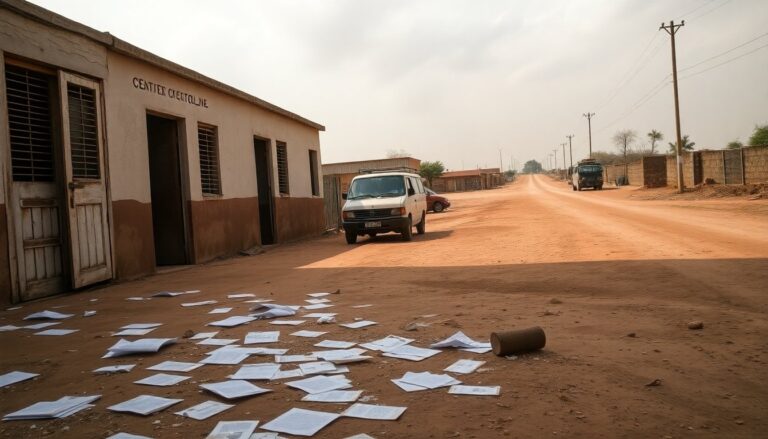
The situation in Mali has reached a critical juncture as the military government has implemented a two-week suspension of all educational institutions. This decision follows a severe fuel blockade that has been in effect since September, imposed by the armed group known as Jama’at Nusrat ul-Islam wa al-Muslimin (JNIM).
The blockade has significantly disrupted the nation’s fuel imports, leading to considerable challenges in transportation and daily life.
Education Minister Amadou Sy Savane announced that the closure, effective until November 9, is primarily due to the disruptions in fuel supplies, which have impeded the movement of teachers and other educational staff.
Authorities are actively working to restore normal fuel distribution before classes are set to resume on November 10.
Impact of the fuel blockade on Mali’s economy
The blockade imposed by JNIM, a group linked to al-Qaeda, has severely impacted Mali’s economy.
In the capital, Bamako, long lines at gas stations have become a daily sight. Since the blockade began, fuel tankers traveling from Senegal and Ivory Coast have faced attacks, resulting in a significant shortage of essential goods and skyrocketing prices.
Reasons behind the blockade
JNIM asserts that its actions are a response to the Malian authorities’ prohibition on selling fuel outside of designated stations in rural areas. This ban aimed to disrupt JNIM’s supply chain, as fuel is frequently transported in jerry cans for resale. In retaliation, the group has intensified the blockade, further straining an economy that heavily depends on imported fuel for domestic consumption.
Security challenges and government response
Mali faces ongoing security challenges amid fuel blockade
Mali, alongside neighboring countries such as Burkina Faso and Niger, has been embroiled in conflicts involving armed groups for over a decade. These issues have intensified following a series of military coups, which led to the expulsion of French forces and the subsequent reliance on Russian mercenaries. However, analysts suggest that these shifts have not led to significant improvements in the security landscape.
Consequences for the military government
The current fuel blockade represents a critical setback for Mali’s military leadership. The government has framed its power acquisition in as a necessary step to address persistent security crises. As the blockade persists, concerns about the government’s capacity to maintain safety and stability in the country grow. Reports indicate a troubling rise in civilian casualties, further complicating the situation.
The blockade has significantly impacted not only ordinary citizens but also critical sectors like mining. Mali’s gold industry, a cornerstone of the nation’s economy, may face increased operational costs and supply chain disruptions.
Negotiations with armed groups
Amid the ongoing crisis, the military government may need to engage in negotiations with the Group for the Support of Islam and Muslims (JNIM). Reports indicate that the militants are demanding strict adherence to certain Sharia laws, including regulations on women’s attire and a halt to cooperation between transport companies and security forces. Such concessions could be essential for the government to ease the severe economic pressures currently affecting the nation.
Mali’s complex political landscape
The situation in Mali is increasingly complicated due to the government’s strict measures against dissent. Recent developments include the arrest of military personnel accused of conspiracy, underscoring the instability of the current regime. While officials tout a new era of growth and security through partnerships with foreign mercenaries, the reality on the ground suggests a different story.
Future implications for governance and security
As Mali navigates this challenging terrain, the interplay between security, governance, and economic stability will be vital in shaping the nation’s future. The military government’s approach to the ongoing blockade will likely influence its legitimacy and effectiveness in the long run.
