

Mali's military government has implemented a two-week closure of schools in response to an ongoing and significant fuel blockade.
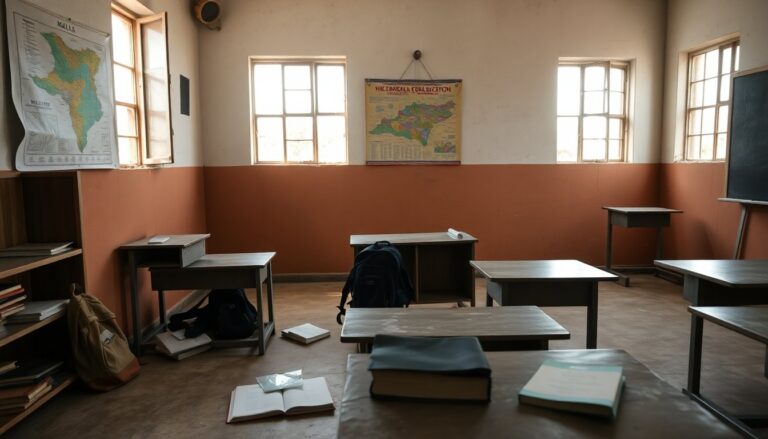
The situation in Mali has escalated as the military government announced a nationwide closure of schools and universities for two weeks. This decision follows a severe fuel blockade initiated in September by the armed group known as Jama’at Nusrat ul-Islam wa al-Muslimin (JNIM).
The blockade has disrupted fuel imports, essential for the operation of various sectors, including education.
Impact of the fuel blockade on education
On Sunday, the country’s Education Minister, Amadou Sy Savane, confirmed that the suspension, effective until November 9, was necessary due to interruptions in fuel supplies preventing educational staff from reaching their workplaces.
He reassured the public that authorities are working diligently to restore normal fuel distribution before classes are set to resume on November 10.
Government measures face significant challenges
The Interministerial Committee for Crisis and Disaster Management has confirmed that fuel supply restrictions will continue until further notice.
Priority access will be granted at designated stations for vehicles involved in emergency services, public transport, and relief efforts. This fuel crisis presents a considerable obstacle for the government, as the ongoing blockade has profoundly impacted the daily lives of citizens.
Economic impact of the blockade
The blockade imposed by JNIM has severely impacted Mali’s already fragile economy. It specifically targets fuel imports from neighboring countries such as Senegal and the Ivory Coast, which are vital for the country’s supply chain. The armed group claims its actions are a response to the Malian government’s prohibition on selling fuel in rural areas, intending to disrupt JNIM’s supply lines.
The blockade’s consequences are significant, leading to increased prices for essential goods and transportation. In the capital city, Bamako, long lines of frustrated motorists waiting for fuel have become a common sight, underscoring the crisis’s severity. With the nation heavily dependent on imported fuel, the blockade has exposed vulnerabilities that pose a threat to stability.
Security concerns and governance challenges
Mali has faced a protracted struggle against armed groups, notably JNIM, for over a decade. The government has made efforts to regain control and restore order. Following a series of military coups, the authorities in Mali, along with neighboring Burkina Faso and Niger, have expelled French forces and sought assistance from foreign mercenaries.
Despite these significant changes, security improvements remain elusive. Analysts indicate that the ongoing fuel blockade presents a major challenge for the military government. This administration had previously justified its power takeover as a necessary measure to address the nation’s persistent security issues.
Looking ahead: The path to resolution
The situation in Mali highlights the pressing need for effective solutions to restore normalcy. The government has expressed its commitment to addressing the fuel crisis, but the timeline for achieving stability remains unclear. Meanwhile, the education sector faces widespread closures, leaving many students uncertain about their future. This blockade not only disrupts education but also has broader implications for the nation.
The fuel blockade in Mali presents severe economic and security challenges for the government. As the country navigates this crisis, the resilience of its institutions will be tested. The hope for a return to normalcy is precarious, underscoring the importance of decisive action.
