

Summary of Recent Diplomatic Meeting Between Russia and North Korea The recent diplomatic meeting between Russian President Vladimir Putin and North Korea's Foreign Minister underscores the strengthening ties and collaboration between the two nations. This evolving partnership is significant in the context of international relations and geopolitical dynamics.
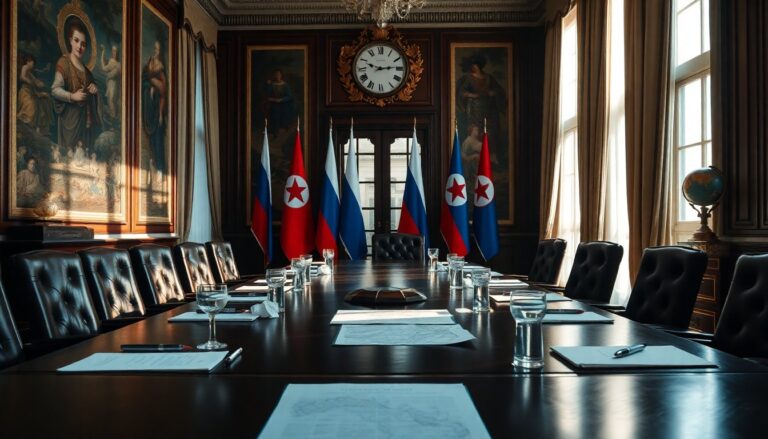
In a notable diplomatic development, Russian President Vladimir Putin welcomed North Korea’s Foreign Minister Choe Son Hui at the Kremlin. This meeting illustrates the increasingly close ties between Russia and North Korea amid ongoing international conflicts. Both nations have aligned in their opposition to Western sanctions that have significantly impacted their economies and military strategies.
During their discussions, Putin emphasized that the progress in bilateral relations is unfolding as intended. He conveyed warm regards to North Korean leader Kim Jong Un, while Choe reciprocated with messages of goodwill from Kim. Notably, Choe characterized the relationship as marked by a profound spiritual closeness, underscoring the unique bond shared by the two nations.
Military cooperation amidst sanctions
The backdrop of this meeting is the ongoing conflict in Ukraine, prompting both countries to bolster their cooperation. Under a defense agreement established for, Russia and North Korea have committed to mutual military support in the face of external threats.
This pact has enabled North Korea to send approximately 10,000 troops to assist Russia in its military efforts in Ukraine, with reports suggesting that around 600 North Korean soldiers have lost their lives in combat.
North Korea’s military contributions
In April, North Korea officially acknowledged the involvement of its soldiers in the ongoing conflict, claiming their contributions aided Russia in reclaiming strategic territories from Ukrainian forces. Recently, Kim Jong Un celebrated the sacrifices made by these troops, marking a new chapter in military solidarity between Russia and North Korea. He described their alliance as invincible, reinforcing the narrative of mutual support and cooperation.
International reactions and implications
The strengthening of ties between Russia and North Korea has raised alarms in the United States and among its allies. Observers have noted an increase in technological cooperation, particularly in areas such as space and satellite capabilities. Following the recent summit between Putin and Kim, US President Donald Trump accused the two leaders of colluding against the United States, a claim that the Kremlin has firmly denied.
Putin’s previous meeting with Kim occurred on September 3 during a military parade in Beijing, where the two leaders discussed various aspects of their relationship. Putin acknowledged the bravery of North Korean soldiers fighting alongside Russian forces, vowing to remember the sacrifices made by their families. This sentiment reflects the deepening military and political alliance between the two nations, which continues to evolve amid global tensions.
Future outlook for diplomatic ties
Choe Son Hui’s visit to Russia, including discussions with Russian Foreign Minister Sergey Lavrov, is expected to further solidify the foundations of this partnership. The talks will cover critical international issues, allowing both countries to align their diplomatic strategies. Furthermore, Choe’s itinerary includes a stop in Bielorussia, indicating a broader commitment to strengthening relationships within the region.
This engagement comes at a time when the geopolitical landscape is shifting, particularly with the APEC summit taking place in South Korea, where President Trump is expected to be in attendance. The timing of Choe’s discussions could have significant implications for regional stability and international relations, particularly given the ongoing tensions between the United States and North Korea.
The recent interactions between Russia and North Korea signal a significant shift in their diplomatic and military collaboration. As both nations navigate the complexities of international relations under the pressure of sanctions and conflict, their alliance may reshape the balance of power in the region and warrant close observation from global stakeholders.
