

Rachel Reeves' failure to secure a rental license has ignited controversy and demands for accountability in the government.
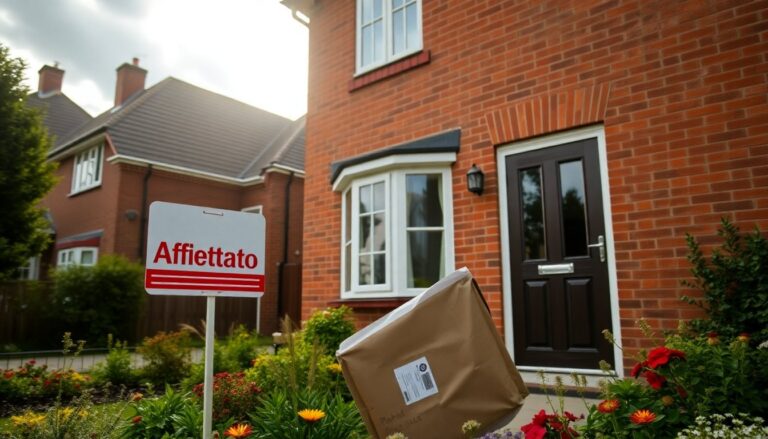
In a surprising turn of events, Chancellor Rachel Reeves has found herself embroiled in a political scandal following her admission of renting out her family home without the necessary licensing. The revelation, first reported by the Daily Mail, has led to significant pressure on Reeves, with mounting calls for her resignation from opposition parties.
The controversy erupted after it was disclosed that since her appointment to Downing Street, Reeves had been leasing her property without securing a required selective rental license. Initially, she claimed ignorance regarding the necessity of the license, asserting that both she and her husband, Nicholas Joicey, were unaware of the legal requirements.
However, newly released emails indicate that Joicey had been informed by their letting agent about the licensing obligation.
Details of the rental license oversight
On the evening of the report’s publication, Reeves issued a letter to the Prime Minister, acknowledging her responsibility in the matter.
She stated, “Today, the letting agency and my husband discovered correspondence confirming that on July 17, the agency indicated that a Selective License was mandatory and consented to apply for it on our behalf.” Despite this, the application was not pursued due to staff changes within the agency.
Political ramifications and accountability
The fallout from this incident has not gone unnoticed. The opposition parties have seized upon the opportunity to question the Chancellor’s integrity and competency. Kemi Badenoch, the leader of the Conservative Party, has been vocal in her criticism, stating that it is Reeves’ duty to ensure compliance with legal standards. Badenoch remarked, “In opposition, Keir Starmer was always quick to demand resignations from Conservatives. Now, he seems to be ignoring evidence of Reeves’ legal breaches.” This sentiment has fueled further demands for an investigation into Reeves’ conduct.
Adding to the complexity, the Prime Minister’s independent adviser on ministerial standards, Sir Laurie Magnus, has expressed regret over the oversight but concluded that Reeves’ actions constituted an “unfortunate but inadvertent error.” He found no indication of malintent, although questions remain regarding the Chancellor’s initial claims of ignorance about the licensing requirement.
Impacts on future policies
This scandal comes at a particularly sensitive time for Reeves, with a crucial Budget announcement looming on November 26. There are concerns that this controversy could undermine her position as Chancellor, especially given the broader implications surrounding housing policies. Just days prior, the Mail on Sunday reported that Reeves is considering imposing a new mansion tax, which would further increase scrutiny on her administration.
Reeves’ response and next steps
In response to the backlash, Reeves has emphasized that her failure to secure the license was an unintentional mistake. She has since taken steps to rectify the situation by applying for the license after the media inquiries surfaced. A spokesperson for the Prime Minister supported her assertion, stating, “She explained that it was an inadvertent mistake, and she took immediate action once it was highlighted to her.” Nonetheless, the question of whether ignorance of the law can serve as a valid defense persists.
The local authority, Southwark Council, mandates that private landlords in certain areas, including where Reeves’ property is located, must obtain a selective license to rent out their properties. The penalties for failing to comply with these regulations are severe, including potential fines and legal repercussions. As the political landscape shifts, all eyes will be on how Reeves navigates this controversy and whether she can maintain her position amid the scrutiny.
