

Sustainable packaging is not just a trend; it's a business case for future-proofing industries.
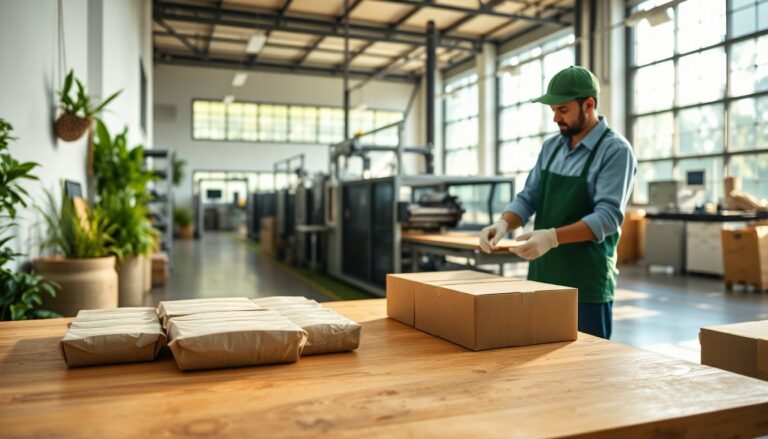
Innovative approaches to sustainable packaging are transforming industries
The sustainability trend in packaging is evolving rapidly. Companies are increasingly recognizing that environmentally friendly solutions can create significant competitive advantages. As consumer awareness of environmental issues grows, businesses are adapting their packaging strategies to align with these changing demands.
Emerging trends in sustainable packaging
Innovations range from biodegradable materials to circular design principles, as the push for carbon neutral packaging gains traction. Companies are exploring alternatives that reduce waste and utilize renewable resources. This shift goes beyond mere consumer response; it represents a proactive strategy for enhancing business resilience.
Business case and economic opportunities
Sustainability is a business case that can lead to significant economic advantages. A report by BCG Sustainability highlights that companies prioritizing sustainability enhance their brand value while minimizing waste management costs. By utilizing life cycle assessments (LCA), businesses can uncover inefficiencies in their packaging processes.
This approach not only lowers operational costs but also contributes to a reduced carbon footprint.
Implementing sustainable packaging in practice
Integrating sustainable packaging requires a strategic approach. Companies can follow several key steps to ensure effective implementation:
- Assess current practicesby comparing them with sustainability benchmarks such as the Global Reporting Initiative (GRI) and the Sustainability Accounting Standards Board (SASB) standards.
- Engage with stakeholdersincluding suppliers and consumers. Gathering insights from these groups can enhance collaboration and innovation.
- Invest in research and developmentto create packaging solutions that support circular economy principles. This investment is crucial for long-term sustainability.
- Monitor progressand adjust strategies based on feedback and evolving market conditions. Continuous improvement is essential for maintaining sustainability goals.
Pioneering companies leading the charge
Many companies are setting benchmarks in sustainable packaging innovation. For example, Unilever has pledged to ensure that all its plastic packaging is recyclable, reusable, or compostable. This commitment is a pivotal step towards reducing plastic waste.
In a similar vein, PepsiCo is making significant investments in biodegradable materials. These efforts aim to minimize the company’s environmental footprint while catering to a growing consumer demand for sustainable products.
Roadmap for the future
As sustainability continues to evolve, companies must adapt to this changing landscape. By emphasizing innovation and collaboration within their supply chains, businesses can spearhead sustainable packaging practices. The roadmap for success includes:
- Setting clear sustainability goalsthat align with overall business objectives.
- Investing in technologiesthat facilitate sustainable practices.
- Educating consumerson the advantages of sustainable packaging.
The shift to sustainable packaging is more than a passing trend; it represents a business case that can enhance brand reputation, foster consumer loyalty, and ultimately lead to increased profitability.
