

Professional Summary Dynamic and results-oriented professional with a strong focus on addressing the complex interplay between climate change and conflict. Proven ability to engage stakeholders and develop innovative strategies to mitigate displacement caused by environmental and geopolitical crises. Committed to fostering sustainable solutions that empower affected communities and contribute to global stability. Skilled in research, policy analysis, and program implementation aimed at...
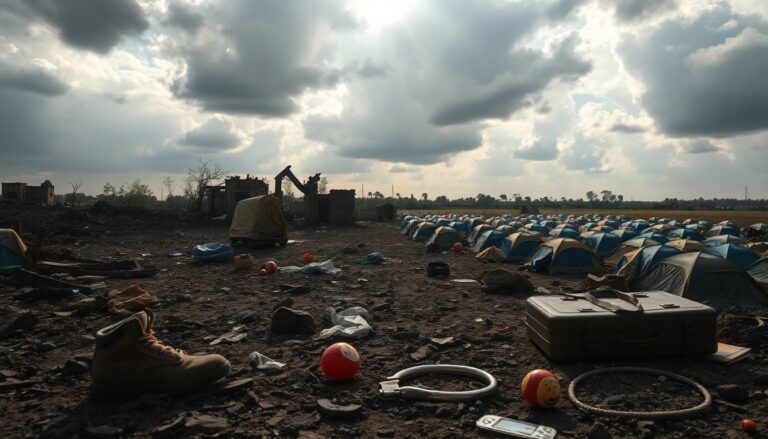
The issue of displacement is reaching alarming levels, according to recent reports from the United Nations High Commissioner for Refugees (UNHCR). As the world gathers for the 30th annual UN Climate Change Conference in Brazil, the UNHCR highlights a staggering statistic: approximately a quarter of a billion individuals have been forced to leave their homes due to weather-related disasters and ongoing conflicts over the past decade.
This displacement is not solely a result of natural disasters; it is also exacerbated by the ongoing repercussions of climate change. The UNHCR‘s recent publication, titled No Escape II: The Way Forward, outlines the multifaceted challenges that displaced individuals face, particularly in areas already stricken by conflict.
Climate-induced displacements and their implications
The report indicates that weather-related catastrophes have caused around 250 million instances of internal displacement over the last ten years. This translates to over 67,000 individuals uprooted from their homes every single day.
As the climate crisis intensifies, the struggle for those already displaced becomes increasingly arduous. Natural disasters are damaging infrastructure and dismantling livelihoods, forcing families—many of whom have already fled violence—to seek refuge once again.
Specific examples of climate-related disasters
The UNHCR cites various extreme weather phenomena, such as devastating floods in South Sudan and Brazil, extreme heat in Kenya and Pakistan, and severe water shortages affecting Chad and Ethiopia. These events illustrate how climate change is not just a distant threat; it is a current reality reshaping the lives of millions.
By 2040, the number of nations exposed to severe climate-related hazards is expected to increase from three to sixty-five, impacting over 45% of the global population currently displaced by conflict. The UNHCR’s chief, Filippo Grandi, emphasizes that these individuals have already experienced tremendous loss and now face new, formidable challenges. They are particularly vulnerable to the devastating effects of severe droughts, catastrophic floods, and record-setting heatwaves, yet they possess the least resources to recover from such adversities.
Global responses to the displacement crisis
As the climate crisis escalates, global commitments to address these challenges appear to be waning. The UNHCR aims to reignite discussions and action during the climate conference in Brazil. However, financial support for humanitarian efforts has diminished significantly. Under the administration of former President Donald Trump, U.S. foreign aid was substantially reduced, which previously accounted for over 40% of the UNHCR’s budget.
The necessity of climate financing
Grandi stresses that these funding cuts severely restrict the agency’s capacity to safeguard refugees and displaced families from the impacts of extreme weather. He calls for an increase in climate financing to support communities already living on the brink of disaster. This conference must yield tangible actions rather than empty promises if the situation is to improve.
More than 50,000 delegates from over 190 nations will gather in Belem, Brazil, located in the Amazon rainforest, to deliberate on effective strategies to combat the climate crisis. One of the contentious issues on the agenda is the European Union’s Carbon Border Adjustment Mechanism (CBAM), designed to mitigate “carbon leakage” by imposing equivalent costs on imported carbon-intensive goods. While some view this as a necessary step toward greener practices, critics argue that it may function as a protective barrier, placing an undue financial burden on developing nations.
