

COP30 in Brazil: UN Highlights Global Impact of Climate-Induced Displacement As COP30 commences in Brazil, the United Nations sheds light on the alarming reality of climate-induced displacement, which is impacting millions of people around the globe.
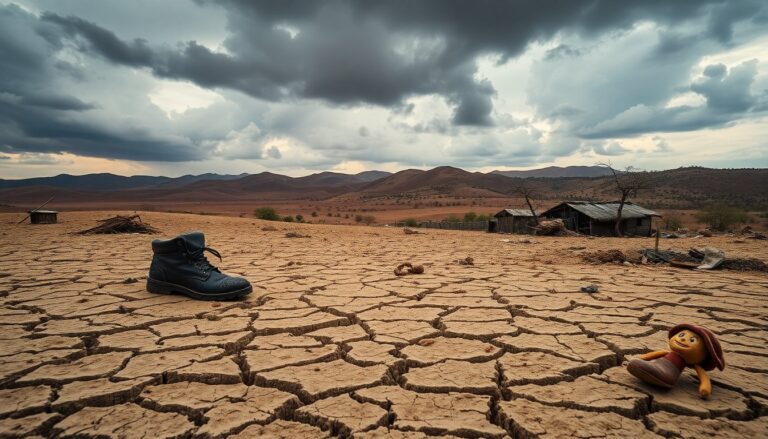
As the annual climate change conference, COP30, unfolds in Brazil, the United Nations has released a troubling report detailing the severe effects of climate change on global displacement. The findings reveal that over 250 million individuals have been compelled to leave their homes due to weather-related disasters in the past decade.
This alarming statistic underscores the urgent need for international cooperation to tackle the escalating climate crisis.
The report, titled No Escape II: The Way Forward, coincides with the start of COP30 and highlights the link between climate change and global displacement.
The UN’s High Commissioner for Refugees (UNHCR) emphasizes that the complexities of climate change are worsening the challenges faced by those already displaced by conflict or other factors.
The facts
The UNHCR’s report presents a bleak reality, indicating that more than 67,000 people are displaced each day on average due to extreme weather events over the last decade.
These displacements are often exacerbated by existing conflicts, putting vulnerable populations in perilous situations.
Specific examples of climate disasters
The report cites numerous instances of climate-induced disasters, including catastrophic floods in South Sudan and Brazil, severe droughts in Chad and Ethiopia, and record heatwaves in regions such as Kenya and Pakistan. These extreme weather events disrupt lives and destroy livelihoods, forcing families who have already fled violence to relocate yet again. UN refugees chief Filippo Grandi noted that these individuals encounter unprecedented challenges, often lacking the resources necessary to recover.
The consequences
Looking to the future, the report warns that by 2040, the number of countries facing severe climate-related threats could surge from three to sixty-five. Alarmingly, these nations will host over 45 percent of the world’s current conflict-displaced population. This stark forecast demands immediate and effective action to mitigate the impacts of climate change.
The role of climate financing
A critical aspect highlighted in the report is the urgent need for climate financing. The UNHCR indicates that funding cuts have critically undermined efforts to protect refugees and those affected by climate disasters. The reduction of foreign aid from the United States under the previous administration has intensified the need for increased financial support to the communities most vulnerable to climate impacts.
Grandi stated, “To prevent further displacement, climate financing must reach the communities already living on the edge.” The UN aims to use COP30 to rekindle global commitment to meaningful action beyond mere promises.
What’s next
Alongside the UN’s findings, discussions are ongoing regarding the significant role urban areas play in the climate crisis. Cities contribute substantially to global emissions but also present unique opportunities for sustainable development and climate action. The global community must recognize cities as essential partners in addressing climate change.
Financing urban climate initiatives
As urban centers work to implement large-scale climate initiatives, they require predictable and accessible financing. Current estimates suggest that cities need approximately $4.5 trillion annually to effectively combat climate challenges; however, only around 20 percent of this need is currently met. Therefore, enhancing both public and private investment is crucial to closing this gap.
The Roadmap Baku-Belém aims to mobilize an unprecedented $1.3 trillion annually, emphasizing the importance of integrating urban priorities into the global climate financing agenda.
The report, titled No Escape II: The Way Forward, coincides with the start of COP30 and highlights the link between climate change and global displacement. The UN’s High Commissioner for Refugees (UNHCR) emphasizes that the complexities of climate change are worsening the challenges faced by those already displaced by conflict or other factors.0
