

Travel Preparedness: Essential Health Information and Resources for Your Journey
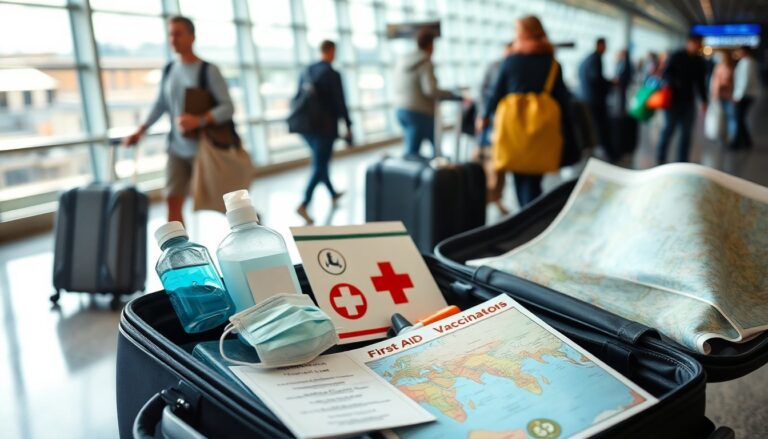
When planning a trip, prioritizing your health and safety is essential. Understanding the potential health risks associated with your destination can significantly influence your travel experience. This article offers crucial insights for preparing for international travel, including vaccination advice and safety precautions.
Before embarking on your adventure, consider consulting with your healthcare provider at least four to six weeks in advance. This timeframe allows for a thorough assessment of your health risks, which can depend on various factors such as your travel destination, personal medical history, and planned activities.
If you have existing health conditions, scheduling an earlier appointment is advisable.
Consultation and vaccination guidelines
One of the first steps in preparing for your journey involves ensuring that you have adequate travel health insurance. This can provide peace of mind in case of unexpected health issues abroad.
Additionally, staying informed about the vaccination requirements for your destination is vital. Routine vaccinations, including the measles-mumps-rubella (MMR) and diphtheria-tetanus-polio vaccines, should be up to date as recommended by health authorities in the UK.
Understanding vaccination needs
Many countries have specific vaccination guidelines that may not be covered here, particularly concerning diphtheria. In the UK, the combination vaccine for tetanus also includes diphtheria; therefore, if a tetanus booster is advised for travelers, the diphtheria vaccine is administered simultaneously. In the event of a diphtheria outbreak at your destination, further vaccination guidance will be issued.
Travelers at higher risk of infectious diseases—due to their profession or personal health status—should remain informed about additional recommended vaccines. Refer to the selective immunization programs and the Green Book on immunization against infectious diseases for detailed recommendations.
Health risks and preventive measures
While traveling, you may encounter various health risks, regardless of your destination. Common threats include road accidents, insect-borne diseases, and illnesses related to food and water contamination. Taking preventive measures, such as being cautious with food hygiene and staying hydrated, is essential, particularly in warm climates.
Insect-borne illnesses
Insect bites can lead to skin irritation and infections. Protecting yourself from these pests is crucial, especially in areas where ticks and specific insects are prevalent. For detailed information on insect-borne diseases, consult the relevant sections of travel health resources.
Another concern is seasonal influenza, a viral infection that spreads easily through respiratory droplets. Symptoms can include fever, muscle aches, and cough. The risk of severe illness is heightened for vulnerable groups, such as the elderly and those with pre-existing health conditions. Travelers should consider getting a flu vaccination within the past year before traveling, especially to regions where influenza is common.
Awareness of emerging health threats
Recent reports have highlighted the potential risks associated with emerging diseases. For instance, cases of vaccine-derived poliovirus have been detected in environmental samples, emphasizing the need for vigilance. Additionally, it’s crucial to be aware of other infections such as rabies, which can be contracted through contact with infected animals. Although rabies is not prevalent in some regions, the possibility of bat lyssavirus infections exists, particularly for those involved in activities like caving or handling bats.
Furthermore, sexually transmitted infections (STIs) pose a risk to travelers. Engaging in unprotected sexual activity can lead to serious long-term health complications. Therefore, using condoms consistently with new or casual partners is essential for reducing the risk of STIs. Individuals should seek medical advice if they suspect exposure to STIs, regardless of the presence of symptoms.
Before embarking on your adventure, consider consulting with your healthcare provider at least four to six weeks in advance. This timeframe allows for a thorough assessment of your health risks, which can depend on various factors such as your travel destination, personal medical history, and planned activities. If you have existing health conditions, scheduling an earlier appointment is advisable.0
