

John Robertson Celebrated Nottingham Forest Winger | Two-Time European Cup Champion John Robertson, a legendary winger for Nottingham Forest, is renowned for his exceptional talent and unwavering dedication to the sport. His remarkable career is highlighted by two prestigious European Cup championships, solidifying his legacy as one of football's greats.
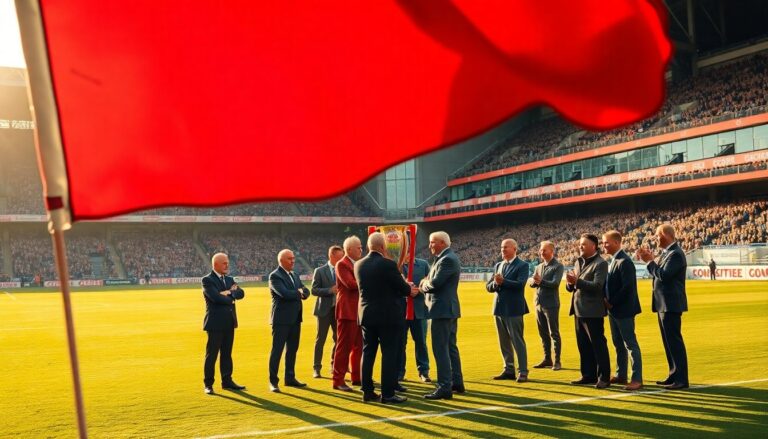
John Robertson, who died at the age of 72, was more than a player; he served as a beacon of inspiration for Nottingham Forest. His monumental contributions to the club include securing two European Cup victories, which cemented his place in football history.
With a career defined by exceptional skill and unwavering dedication to the game, Robertson’s legacy will continue to resonate with fans and players alike.
The rise of a footballing legend
John Robertson, born in Uddingston, Scotland, on January 20, 1953, grew up as the youngest of three children.
His modest upbringing, with his father Hughie working for the electricity board and his mother at a local biscuit factory, instilled a strong work ethic in him. This environment nurtured his passion for football, leading to his recruitment by Nottingham Forest at the age of 15.
Robertson faced challenges early in his career, including relegation in 1972 and difficulties under previous management. However, his fortunes changed dramatically with the arrival of Brian Clough as manager. Clough revitalized the squad, and the transformation of Robertson began with the return of his trusted assistant, Peter Taylor. Taylor’s tough love and high expectations played a crucial role in pushing Robertson to refine his game, paving the way for his future successes.
Key moments in European triumphs
Robertson’s impact on Nottingham Forest was particularly evident during their consecutive victories in the European Cup. In the 1979 final in Munich, he delivered a pivotal assist that led to Trevor Francis scoring the sole goal against Malmo. This triumph marked the club’s inaugural European title and entrenched Robertson’s legacy among the fans.
The following year, he shone again in the final against Hamburg, netting the crucial goal that secured Forest’s second straight championship. These accomplishments were not merely personal milestones for Robertson; they represented significant achievements for Nottingham Forest, demonstrating the team’s tenacity and skill.
Overcoming adversity
Robertson’s journey in football was marked by significant challenges. Just days before the semi-final of the 1979 European Cup, he experienced the tragedy of losing his brother Hughie in a road accident. This devastating event deeply affected him, leading to a struggle with heavy smoking as a coping mechanism. However, his ability to channel grief into his performance on the pitch showcased his resilience and dedication.
While Robertson’s football career included notable achievements, such as two League Cups and a place in the Scotland national team for the 1978 World Cup, personal struggles were ever-present. The birth of his first child, Jessica, who faced considerable challenges due to a disability, profoundly impacted his life. Despite these hardships, Robertson’s love for his family and commitment to supporting them remained steadfast.
Life after football and enduring legacy
John Robertson’s career took him from Nottingham Forest to Derby County before he returned to his roots at Forest in 1985. However, by the age of 33, he faced a challenging transition as offers from league clubs dwindled. This period included the difficult task of managing a pub, marking a significant shift from his life as a professional athlete.
Despite these challenges, Robertson’s love for football remained strong. He continued to impact the sport by working as a scout and assistant manager, particularly under Martin O’Neill at several clubs. Their collaboration proved fruitful, with Robertson’s extensive experience playing a key role in the success of teams in subsequent years.
In 2013, Robertson encountered serious health issues, suffering a suspected heart attack while participating in recreational activities. His resilience and determination to embrace life remained evident through these trials. He is survived by his daughter Elisabeth, his second wife Sharyl, and their children, Andrew and Mark.
As tributes flood in from the football community, it is clear that John Robertson’s legacy extends beyond mere statistics and trophies. He was not only a skilled player but also a cherished figure, whose humility, talent, and commitment to Nottingham Forest and the sport will be remembered for generations.
