

Class Action Lawsuit Against McDonald's: Misleading McRib Name and Content Explore the ongoing class action lawsuit that is questioning the authenticity of McDonald's McRib sandwich. This legal challenge highlights concerns regarding the misleading name and ingredients associated with the popular fast-food item. Stay informed about the implications of this lawsuit and its potential impact on consumer trust and food labeling standards.
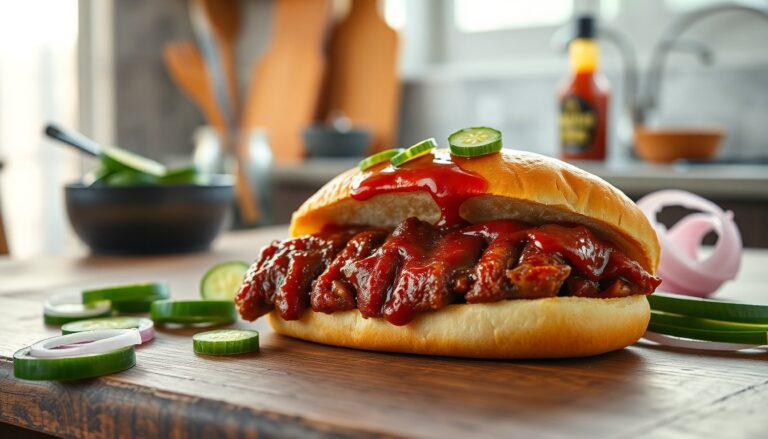
In a surprising turn of events, McDonald’s is facing a class action lawsuit regarding the McRib sandwich. The lawsuit alleges that the name and shape of the sandwich mislead consumers about its actual ingredients. Many fans may be shocked to discover that the contents of the McRib might not meet their expectations.
Filed by a group of four consumers, the legal action argues that the McRib’s labeling deceives buyers into thinking they are purchasing a product containing genuine rib meat. Instead, the sandwich primarily consists of a blend of processed pork. The plaintiffs seek class action status on behalf of individuals who have purchased the McRib within the last four years, raising significant questions about food labeling and consumer rights.
The McRib’s controversial reputation
The McRib has had a tumultuous history since its launch, often described as a fan favorite that periodically returns to McDonald’s menu. However, each comeback seems to be accompanied by controversy. The current lawsuit underscores a critical aspect of food marketing, where names can significantly influence consumer perceptions.
Unpacking the ingredients
According to the allegations, the McRib is marketed with a rib-shaped patty that suggests it contains actual rib meat, which is misleading. Instead, consumers receive a sandwich that consists mostly of boneless pork mixed with various fillers. This discrepancy raises vital concerns about the authenticity of food representations in fast food marketing.
In response to these claims, McDonald’s has stated that the McRib is made with seasoned pork, covered in a tangy barbecue sauce, and topped with slivered onions and dill pickles, all served on a toasted bun. While the fast-food giant defends its product as tasty and satisfying, the essence of the lawsuit revolves around whether the marketing practices are ethical and transparent.
The implications of the lawsuit
This legal action could set a precedent for how food products are marketed and labeled in the fast-food industry. If the court rules in favor of the plaintiffs, it could compel McDonald’s to revisit its marketing strategies, potentially leading to changes in how they describe their products. The implications extend beyond the McRib, affecting other fast-food chains and food manufacturers that rely on enticing names to sell their offerings.
Consumer rights and food labeling
The lawsuit also raises questions about consumer rights and the legal standards surrounding food labeling. As consumers become increasingly aware and concerned about their food, the demand for transparency in food marketing has grown. This case could catalyze change in industry practices, encouraging companies to adopt clearer and more honest labeling.
As the case unfolds, it will be crucial to observe how McDonald’s addresses these allegations and whether they will make any adjustments to their marketing approach. The outcome of this lawsuit may influence the future of food marketing, ensuring that consumer trust is maintained.
The ongoing class action lawsuit against McDonald’s highlights the critical intersection of food marketing and consumer rights. As consumers continue to seek clarity regarding their food choices, the restaurant industry’s practices may face increased scrutiny. This case serves as a reminder that names and representations matter significantly in a world where transparency is paramount.
